- Item


Nzema East: A Promising Frontier for Tourism Development
Date Created : 11/7/2025 3:33:18 AM : Story Author : Ghanadistricts.com
The area’s natural and historical assets offer a compelling case for coordinated investment in infrastructure, services, and marketing that can create jobs, diversify the economy, and enrich the experiences of both residents and visitors.
Coastal Treasures and Riverine Experiences
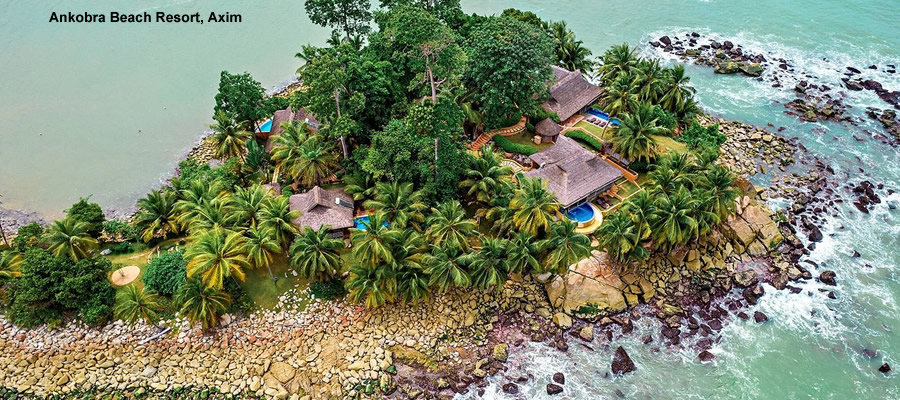
The district’s coastline is lined with warm, inviting beaches that lend themselves to traditional beach tourism. Powdery sands, clear waters, and favorable tropical climates create an appealing backdrop for day trips and weekend getaways. Beyond the shore, the Ankobra River adds a complementary dimension to Nzema East’s tourism portfolio. The river’s navigable waters enable boat trips that showcase the region’s scenery, ecosystem, and tranquil landscapes. Developing river-based activities—guided excursions, wildlife viewing, and cultural storytelling along the banks—could attract nature lovers and adventure travelers while promoting environmental stewardship.
Axim: A Centerpiece of Heritage
Nzema East’s capital, Axim, anchors the tourism narrative with one of Sub-Saharan Africa’s oldest colonial fortifications. The fort, constructed in AD 1515 by Portuguese traders, stands as a tangible link to centuries of maritime activity, trade, and cross-cultural exchange. Today, it is preserved as a cultural asset and actively promoted by the Ghana Museums and Monuments Board, drawing visitors interested in history, archaeology, and regional heritage. The fort’s preservation offers opportunities to develop museum exhibits, guided tours, interpretation centers, and adjacent amenities that illuminate the broader historical context of the region.
Untapped Potential and Strategic Opportunities
Despite these strengths, Nzema East’s tourism sector remains in a nascent stage. The untapped potential spans several dimensions: better coastal access and beach facilities; enhanced river-excursion services with safety and environmental standards; expanded fort interpretation programs; and a broader suite of hospitality offerings that can accommodate domestic and international travelers. Strategic investment in these areas has the potential to generate a multiplier effect—supporting local crafts, accommodation providers, transport services, and food and beverage businesses, while reinforcing the area’s identity as a sustainable, culturally aware destination.
Sustainable Development as a Guiding Principle
Any expansion of tourism in Nzema East must be grounded in sustainable development principles. This includes balancing visitation with conservation to protect coastal and river ecosystems, as well as preserving the integrity of cultural sites like the Axim fort. Community participation should be central to planning processes, ensuring that residents share in the benefits and have a voice in shaping the visitor experience. Environmental safeguards—such as waste management, water quality protection, and responsible tourism practices—will be essential to maintain the region’s natural appeal for future generations.
Community Benefits and Economic Diversification
A well-executed tourism strategy can yield broad-based benefits. Local employment opportunities could span hospitality, guiding services, cultural performances, craft production, and maintenance of public spaces. Small and medium-sized enterprises, including family-run guesthouses, restaurants, and tour operations, stand to gain from increased visitor flow. By diversifying the economy beyond agriculture and extractive activities, Nzema East can build resilience against seasonal fluctuations and global market shifts, while promoting a higher quality of life for residents.
A Call to Collaboration and Investment
Realizing Nzema East’s tourism potential will require collaboration among government agencies, private investors, community groups, and neighboring municipalities. Transparent planning processes, clear regulatory frameworks, and targeted marketing campaigns can help attract domestic and international travelers. Infrastructure improvements—such as reliable road connections, safe parking and pedestrian zones near beaches and fort sites, and accessible visitor facilities—will underpin a positive visitor experience. In parallel, training and capacity-building programs can prepare local residents for skilled roles in hospitality, guiding, and cultural interpretation.
Looking Ahead
The Nzema East Municipality stands at a pivotal juncture. By leveraging its coastal charm, navigable river, and storied past, it can build a tourism sector that complements its agricultural and potential mining activities. With careful planning, inclusive governance, and sustained investment, Nzema East could emerge as a model of responsible, community-centered tourism in Ghana—one that safeguards the environment, honors heritage, and broadens opportunity for its people.
Other stories


Local Gov Ministry
Int of Local Gov Studies
Ministry of Information
Local Gov Service
Ghana MPs
Ghana Hospitals
NALAG
 facebook
 X
X
 Youtube
 instagram
 whatsapp
 +233 593 831 280
+233 20 230 9497
+233 593 831 280
+233 20 230 9497 0800 430 430
 GPS: GE-231-4383
 info@ghanadistricts.com
 Box GP1044, Accra, Ghana