- Item
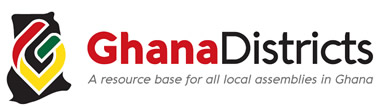

Dagomba Land, Damba Drums & Divine Faith: Inside Karaga's Cultural Soul
Date Created : 5/15/2026 6:16:38 AM : Story Author : Ernestina Mensah/Ghanadistricts.com
Where Culture Breathes and Tradition Dances
Step into Karaga Municipality, and you step into a world where ancient rhythms meet daily devotion, where the Damba drums echo across guinea savannah plains, and where the Bugum Fire Festival lights up the night sky with centuries-old meaning.
This is a land shaped by the Dagomba people, who are proud, hospitable, and deeply rooted in tradition. But Karaga is not a monolith. A colorful mosaic of ethnicities, faiths, and marital customs weaves together the district's social fabric, making it a place where every corner tells a story.
Ethnicity: Dagomba Heartland with a Melting Pot of Diversity
The people of Karaga are predominantly Dagombas, a group known for their rich oral traditions, chieftaincy structures, and deep connection to the land. Their language Dagbanli, echoes through markets, homes, and ceremonial grounds, serving as the linguistic thread that ties the district together.
But Karaga is also home to a vibrant mix of other ethnic groups. There are Konkombas, who are known for their farming resilience, and Fulanis, who are famed cattle herders that traverse the savannah with their herds. Frafras from the Upper East Region bring their distinct cultural flavor to the district, while Ashantis represent the Akan presence in the north. Ewes also contribute to the district's ethnic diversity, adding yet another layer to Karaga's rich cultural tapestry.
This ethnic blend creates a rich cultural exchange in markets, marriages, and festivals, making Karaga a microcosm of Ghana's broader national unity in diversity. When different traditions meet in everyday life, the result is a community that learns from itself constantly.
Festivals: Damba, Bugum, and the Rhythm of Celebration
When the Fire Festival ignites, Karaga's spirits rise as the Municipality, like many in the Northern Region, boasts a vibrant calendar of festivals that draw locals and visitors alike into shared celebration. The two most prominent are the Damba Festival and the Bugum Fire Festival.
The Damba Festival is celebrated by the Dagomba people as a festival of chieftaincy, genealogy, and social cohesion. It features royal processions with chiefs dressed in magnificent regalia, drumming and dancing that tell ancestral stories, and community feasting and reconciliation. Interestingly, the festival also includes a celebration of the birth of the Prophet Mohammed, showing how Islamic influence has blended beautifully with tradition over time.
The Bugum Festival, known as the Fire Festival, is one of the most visually striking festivals in northern Ghana. It involves torchlight processions through communities at night, symbolic purification rituals meant to ward off evil spirits and singing, drumming, and collective prayer that fill the darkness with sound and light. It is a powerful display of community unity when the night is darkest. As local wisdom puts it, the fire does not burn the people — it lights their path forward.
Religion: Islam at the Center, Tradition and Christianity Alongside
The most dominant religion in Karaga Municipality is Islam, which shapes daily life from the morning call to prayer to the observance of Ramadan and Eid celebrations. The influence of Islam is visible in the architecture of mosques that stand in town centers, in the Islamic education known as Makaranta that children attend, and in the dietary practices and dress codes that many residents observe.
Following Islam are Traditional African worshippers, who maintain reverence for ancestral spirits, sacred groves, and earth deities. These practices often blend subtly with Islamic observance, which is a hallmark of syncretic northern Ghanaian spirituality where faiths coexist and sometimes intertwine.
Christianity has a smaller but present footprint in the district, with three churches located in Karaga Township itself. The religious balance flows from Islam as the majority to Traditional worship and then to Christianity, with each contributing to a culture of tolerance and coexistence that defines the district's spiritual landscape.
Marriage and Marital Status
In Karaga Municipality, marriage is recognized as a union between a man and a woman for the purpose of procreation, mutual support, and companionship. These unions may be legally, traditionally, or religiously sanctioned, and they play a significant role in population dynamics by affecting fertility levels and, to a lesser extent, mortality and migration patterns.
While there is a legal minimum age for marriage in Ghana, cultural practices in traditional settings have sometimes led to girls being given into marriage below the prescribed age.
Other stories
Local Gov Ministry
Int of Local Gov Studies
Ministry of Information
Local Gov Service
Ghana MPs
Ghana Hospitals
NALAG
 facebook
 X
X
 Youtube
 instagram
 whatsapp
 +233 593 831 280
+233 20 230 9497
+233 593 831 280
+233 20 230 9497 0800 430 430
 GPS: GE-231-4383
 info@ghanadistricts.com
 Box GP1044, Accra, Ghana