- Item


Farming the Future: Agriculture as the Lifeblood of GOMOA WEST DISTRICT ASSEMBLY
A Community Rooted in Agriculture
Date Created : 10/22/2025 7:42:16 AM : Story Author : Ghanadistrictscom
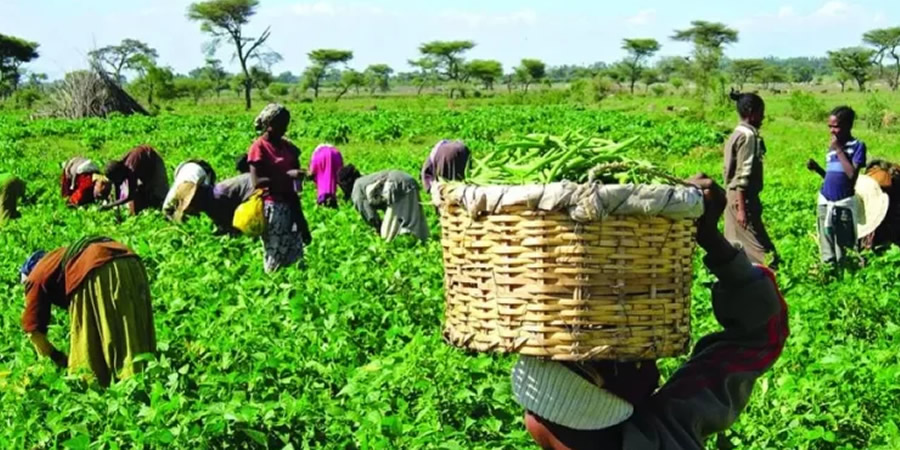
In Gomoa West District Assembly, agriculture is more than just an occupation—it’s the heartbeat of the community. With approximately 58% of the population engaged in farming, the district’s economy and daily life revolve around the land. From sunrise to sunset, fields come alive with activity as farmers tend to crops that feed families and fuel local markets.
Peasant Farming and Traditional Practices
The majority of farmers in the district are peasant farmers, relying heavily on rain-fed agriculture and rudimentary farming methods. Despite limited access to modern equipment and irrigation systems, these farmers continue to cultivate the land with dedication and resilience. Their work sustains the district’s food supply and preserves traditional agricultural knowledge passed down through generations.
Diverse Crop Production
The district boasts a rich variety of crops. Maize, cassava, rice, plantain, and coconut are the primary food staples grown across the region. In addition, vegetables such as tomatoes, garden eggs, okro, and pepper are widely cultivated, adding nutritional diversity to local diets and supporting vibrant market activity.
Industrial Crops and Economic Potential
Beyond food crops, farmers also grow industrial crops like cocoa, oil palm, citrus, coffee, and cashew. These crops offer significant economic potential, connecting local producers to national and international markets. With proper investment and support, these commodities could become key drivers of rural development and income generation.
Agricultural Support Services
The Department of Agriculture plays a vital role in supporting farmers throughout the district. Services include Agricultural Extension Services, Veterinary Services, Group Formation, Home and Field Visits, Technical Training, On-Farm Demonstrations, and Pest and Disease Control. These initiatives aim to improve productivity, promote best practices, and enhance food security.
Household Participation in Agriculture
According to the 2010 Population and Housing Census, 8,024 households in the district were engaged in agricultural activities. The most common activity was crop farming, with 7,887 households involved. Livestock rearing followed with 2,318 households, while smaller numbers participated in tree planting and fish farming. This widespread involvement highlights agriculture’s central role in community life.
Looking Ahead: Challenges and Opportunities
While agriculture remains the backbone of [District Name], challenges such as climate variability, limited access to modern tools, and market instability persist. However, with continued support from government agencies and investment in sustainable practices, the district’s agricultural sector holds immense promise. Empowering farmers with training, technology, and infrastructure could transform subsistence farming into a thriving, resilient industry.
Agriculture in GOMOA WEST DISTRICT ASSEMBLY is not just about crops and livestock—it’s about people, tradition, and the promise of a better future. As the district continues to grow and evolve, its farmers remain at the forefront, cultivating not only the land but also the hopes of generations to come.
Other stories


GoG Portal
Local Gov Ministry
Int of Local Gov Studies
Ministry of Information
Local Gov Service
Ghana MPs
Ghana Hospitals
NALAG
Local Gov Ministry
Int of Local Gov Studies
Ministry of Information
Local Gov Service
Ghana MPs
Ghana Hospitals
NALAG
 facebook
 X
X
 Youtube
 instagram
 whatsapp
 +233 593 831 280
+233 20 230 9497
+233 593 831 280
+233 20 230 9497 0800 430 430
 GPS: GE-231-4383
 info@ghanadistricts.com
 Box GP1044, Accra, Ghana