- Item


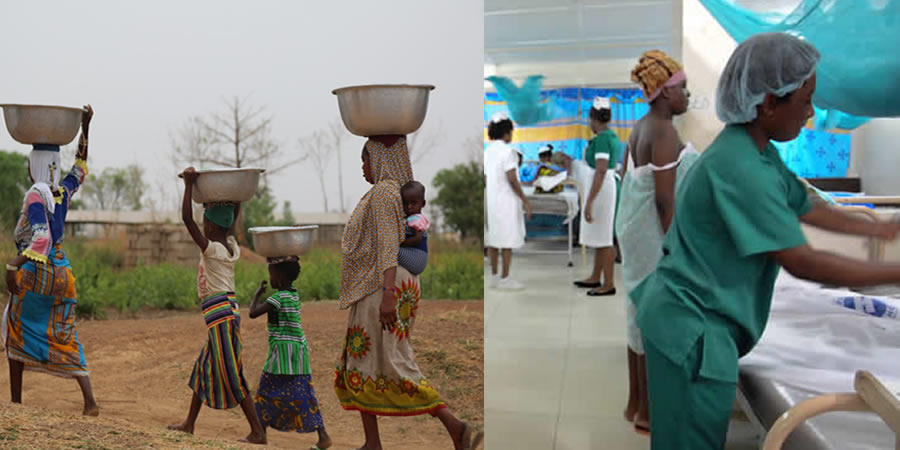
Sustainable water access is the backbone of public health and everyday life in Kpandai
Date Created : 12/23/2025 6:21:37 AM : Story Author : Ghanadistricts.com
At the same time, progress on perennial water challenges is mature enough to boost public health and daily living. Here’s what you need to know about health infrastructure and water access in Kpandai, and what it means for residents and future development.
Key Health Infrastructure Highlights
Total health facilities: 21
Hospitals: 2
Health centers: 9
CHPS compounds: 10
Implication: A diversified health network improves access to emergency care, maternal and child health, and preventive services across the district.
What This Means for Residents
Improved access: Residents can reach higher-level care more quickly, reducing delays in treatment.
Community-based care: CHPS compounds bring essential services closer to homes, bolstering immunization, health education, and preventative care.
Health equity potential: A robust mix of facilities supports broader coverage for vulnerable groups, including women, children, and the elderly.
Water and Sanitation Progress
Water reliability milestone: 67.3% of perennial water problems solved
Impact: Steady access to water reduces disease risk, supports better hygiene, and improves livelihoods tied to water use.
What Could Accelerate Health and Water Gains
Facility upgrades and staffing: Ongoing upgrades to equipment, pharmaceuticals, and trained personnel across hospitals, health centers, and CHPS compounds.
Preventive care emphasis: Expanded immunization drives, maternal and child health programs, and community health outreach.
Water governance and resilience: Continued investment in water infrastructure, maintenance of distribution networks, and community water committees to sustain gains.
Sanitation integration: Complement water access with improved sanitation facilities and hygiene education to maximize public health benefits.
Impact for the District
Health outcomes: Greater access to care can translate to lower morbidity and improved maternal/child health indicators.
Economic resilience: Healthy communities support school attendance, productivity, and local economic activity.
Climate and resilience: Water security buffers the district against seasonal fluctuations, supporting farming communities and households alike.
Other stories


Local Gov Ministry
Int of Local Gov Studies
Ministry of Information
Local Gov Service
Ghana MPs
Ghana Hospitals
NALAG
 facebook
 X
X
 Youtube
 instagram
 whatsapp
 +233 593 831 280
+233 20 230 9497
+233 593 831 280
+233 20 230 9497 0800 430 430
 GPS: GE-231-4383
 info@ghanadistricts.com
 Box GP1044, Accra, Ghana