- Item

SOCIAL
NGOs support communities to develop bylaws on WASH, adolescent sexual health

Date Created : 8/11/2025 : Story Author : Anthony Adongo Apubeo/Ghanadistricts.com
The initiative, led by the two non-government organisations, seeks to empower communities to create locally relevant regulations that promote good hygiene practices, safeguard water resources, and protect the health and well-being of adolescents.
The WOM and WaterAid Ghana believe that harmonised community bylaws will help strengthen enforcement, ensure sustainable WASH services, and reduce health risks associated with poor sanitation and limited access to clean water.
The initiative is part of the implementation of the five-year Sexual Health and Reproductive Education (SHARE) project, which seeks to address issues affecting the growth and development of adolescents, especially young women and girls.
The project, being rolled out in the Kassena-Nankana and Builsa Municipalities, as well as the Kassena-Nankana West and Bongo Districts, aims to advance gender equality by providing access to age appropriate sexual and reproductive education and gender-responsive care for young people, especially young women and girls.
It is being implemented in Ghana by a consortium led by Right to play and supported by WaterAid Ghana, FAWE-Ghana, and FHI360, with funding from Global Affairs Canada.
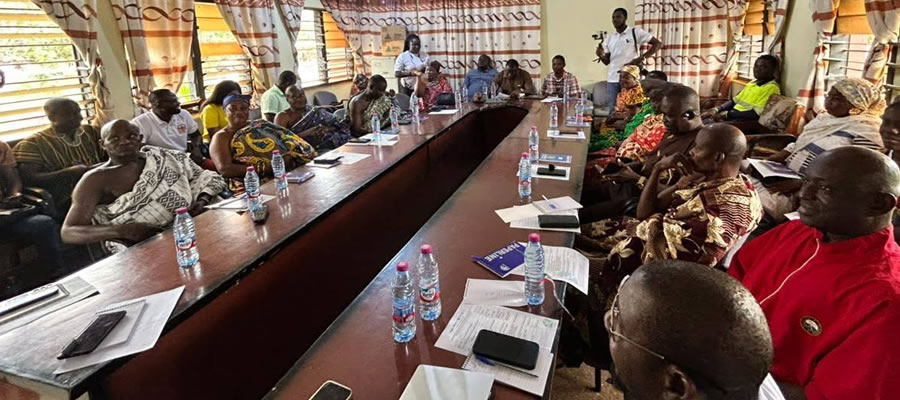
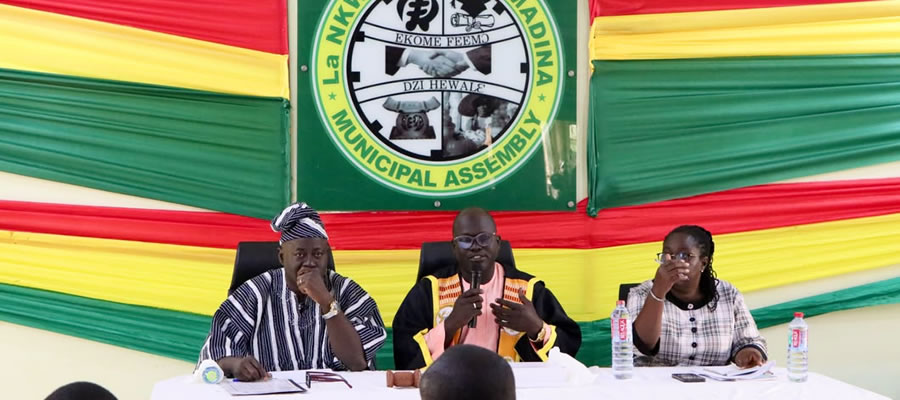
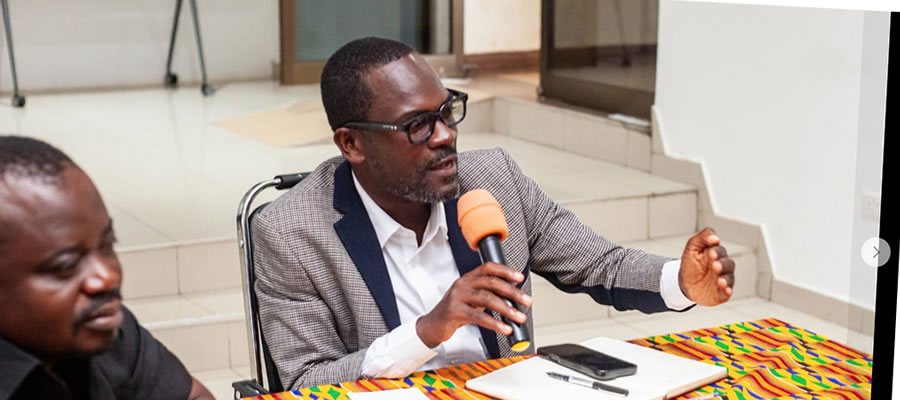
Speaking at a consultative meeting held in Bolgatanga to harmonise the proposed community bylaws with the various bylaws of the District Assemblies, Ms Fati Abigail Abdulai, Executive Director of WOM, stressed the significance of having a harmonised legal system in addressing issues that affect the youth at the community level.
She noted that addressing adolescent sexual and reproductive health issues alongside WASH interventions was crucial, as both areas were interconnected and vital for improving public health and community development.
Ms Abdulai said: “Apart from helping them to develop and harmonise these bylaws, we are alsogoing further to support them to ensure these bylaws are gazetted to make them more binding.
“We believe that these bylaws will address things that are not necessarily covered in law and make various stakeholders, particularly parents, more responsible in the upbringing of their children, especially adolescents.”
The Executive Director noted that the process was inclusive and community-driven, involving traditional leaders, opinion leaders, women’s groups, youth representatives, and local authorities to ensure that the bylaws reflected the needs and priorities of all community members while promoting inclusivity and gender equality.
She expressed the hope that the initiative would contribute to addressing sexual and reproductive health gaps, particularly reducing teenage pregnancies, child marriage, risky sexual behaviours, improving menstrual hygiene management, and fostering a healthier environment for young people.
Mr. Jaladeen Abdulai, the Upper East Regional Director of the Commission on Human Rights and Administrative Justice (CHRAJ), who took the participants through the District Assembly bylaws, indicated that having bylaws was necessary for addressing localised issues.
He noted that it was imperative to assign punishments to every law in cases of breach to ensure compliance and serve as a deterrent, adding that, “Any law that does not have a corresponding punishment is not an effective law.”
Nab Roger Akanko, Divisional Chief of the Farinsa community in the Builsa North Municipality, expressed concern over the increasing cases of teenage pregnancies in the region and expressed the hope that the harmonised bylaws would instil discipline and help curb such cases.
Other Stories
Local Gov Ministry
Int of Local Gov Studies
Ministry of Information
Local Gov Service
Ghana MPs
Ghana Hospitals
NALAG
 facebook
 X
X
 Youtube
 instagram
 whatsapp
 +233 593 831 280
+233 20 230 9497
+233 593 831 280
+233 20 230 9497 0800 430 430
 GPS: GE-231-4383
 info@ghanadistricts.com
 Box GP1044, Accra, Ghana