- Item


ENVIRONMENT
Traditional, Religious Leaders Welcome Sanitation Indicator for MMDCEs

Date Created : 8/10/2026 : Story Author : Albert Futukpor/Ghanadistricts.com
They described the decision as a timely intervention that could help improve sanitation conditions in communities and strengthen accountability among local government authorities.
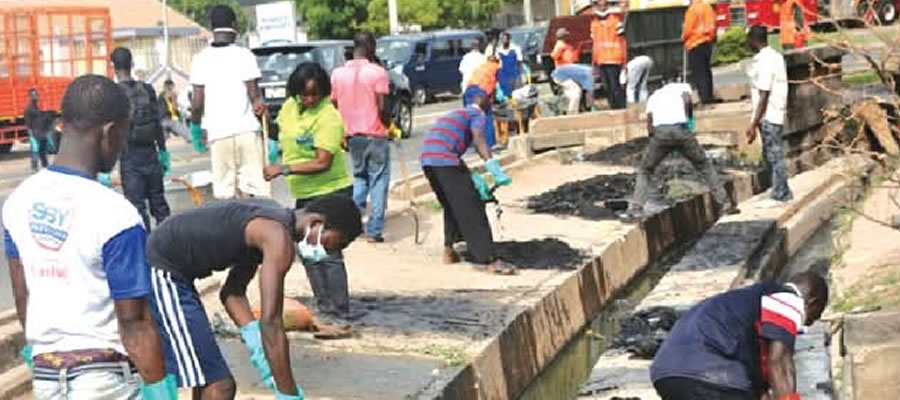
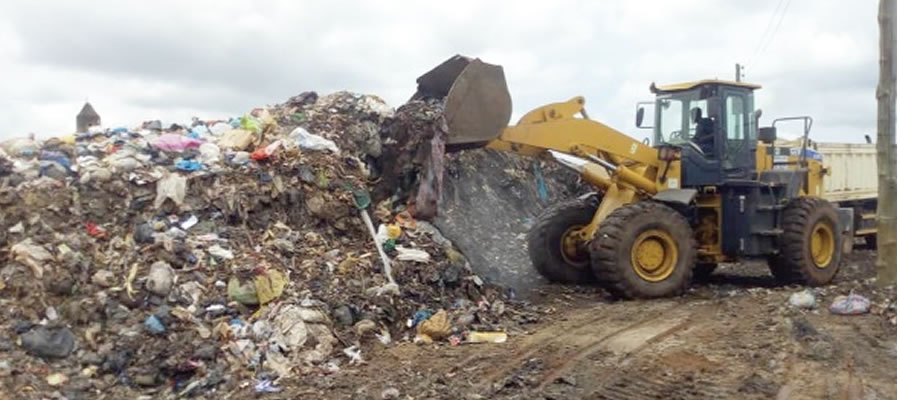
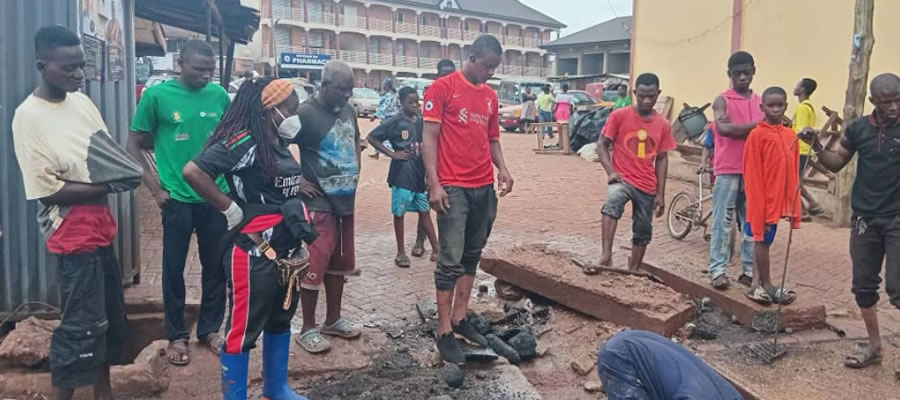
The leaders said poor sanitation remained a major challenge in many communities within the two assemblies, with choked gutters, indiscriminate dumping of refuse and inadequate waste management facilities exposing residents to sanitation-related diseases.
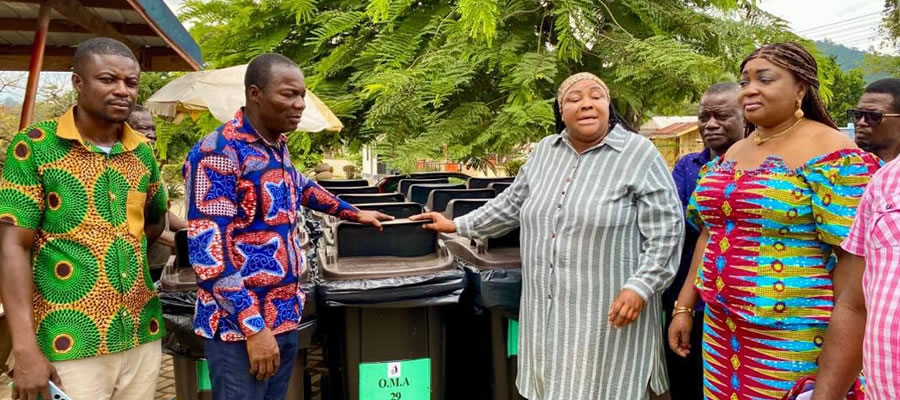
They appealed to MMDCEs to work closely with chiefs, opinion leaders, religious authorities and community groups to intensify sanitation campaigns, while encouraging residents to complement government efforts through regular clean-up exercises.
They also emphasised the need for sustained public education and the provision of sanitation logistics, including rakes, shovels and dustbins, to achieve lasting improvements.
Following the President’s decision, the Media Coalition Against Open Defecation, in partnership with World Vision Ghana, has rolled out the Media Accountability Platform to provide independent, public and evidence-based monitoring of the performance of MMDCEs on sanitation, with a specific focus on ending open defecation.
Naa Ibrahim Abdul Rahman, Chief of Gumo in the Kumbungu District, described the sanitation situation in the district as “very bad,” saying the Assembly appeared to focus most of its sanitation interventions on the district capital while neglecting other communities.
He said many communities in the district were struggling with choked gutters and poor waste disposal systems without adequate support from the Assembly.
He appealed to the District Assembly to provide basic sanitation equipment, including rakes and other tools, to support community-led sanitation activities.
Although residents were willing to volunteer, he said inadequate logistics remained a major constraint to their efforts.
He urged opinion leaders, chiefs, assembly members, unit committee members, imams and other influential persons to continue mobilising residents to keep their communities clean while awaiting further government support.
Naa Abdul Rahman welcomed the President’s decision, saying it would motivate district assemblies and communities to improve environmental cleanliness.
Mr Adam Shahanun, Assistant Leader of Masjid Hassan Mosque in the Bogkurugu community in the Sagnarigu Municipality, said Islamic scholars had an important responsibility to promote environmental sanitation through their religious teachings.
He said cleanliness was an important principle in Islam and pledged to use his platform to educate worshippers on the need to maintain clean surroundings to prevent sanitation-related diseases.
He encouraged other Islamic scholars to devote part of their sermons to promoting good sanitation practices to complement the efforts of the Assembly.
Mr Fuseini Issahaku, Sub-Chief of Sorugu in the Sagnarigu Municipality, described sanitation in the Municipality as unsatisfactory and called on residents to take greater responsibility for keeping their communities clean.
He said maintaining a clean environment should not be left solely to the government because poor sanitation could contribute to the spread of diseases.
Mr Issahaku said communities could organise periodic clean-up exercises to complement the government’s monthly sanitation campaigns, adding that traditional leaders in the area had previously spearheaded similar initiatives.
He pledged to engage traditional leaders and elders to revive and expand community sanitation campaigns in the Municipality, while involving youth leaders to champion the initiative.
Other Stories
Local Gov Ministry
Int of Local Gov Studies
Ministry of Information
Local Gov Service
Ghana MPs
Ghana Hospitals
NALAG
 facebook
 X
X
 Youtube
 instagram
 whatsapp
 +233 593 831 280
+233 20 230 9497
+233 593 831 280
+233 20 230 9497 0800 430 430
 GPS: GE-231-4383
 info@ghanadistricts.com
 Box GP1044, Accra, Ghana