- Item


SOCIAL
Wangara queen appeals for unity in pursuit of development
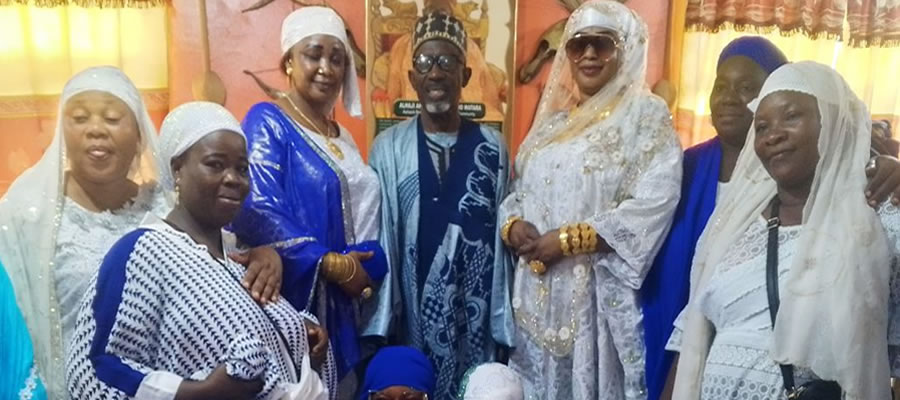
Date Created : 1/14/2026 : Story Author : Muyid Deen Suleman/Ghanadistricts.com
She noted that, without unity and effective collaboration, meaningful progress could not be realized in their communities, adding that working together as one people was necessary to promote development.
Hajia Kendaar made the call when she paid a courtesy call on Alhaji Ahmed Ibrahim Gado Watara, the head of the Wangara community in the Ashanti Region, at his palace in Kumasi.
The Wangara people in Ghana, a Mande-speaking diaspora, are descendants of Soninke traders from the ancient Ghana Empire.
They are celebrated for their long-distance commerce and scholarly contributions to Islam, playing a pivotal role in the gold trade between the Sahel and forest regions.
Historically, they established trading colonies and influenced local cultures in areas such as Kintampo and Salaga, harmoniously integrating into indigenous societies while preserving their distinct identities.
Hajia Kendaar emphasized that effective leadership was paramount in navigating the myriads of challenges faced by a community, while simultaneously promoting their rich heritage and traditions.
She asserted that it was imperative for the Wangara community in Ghana to establish a common platform for articulating grievances, thereby facilitating development.
Moreover, she implored the leadership to transcend their differences in pursuit of a shared objective.
Alhaji Ahmed Ibrahim Gado Watara, on his part, said the visit by Hajia Kendaar was not just symbolic, but served to fortify the bonds between various factions, fostering a spirit of solidarity and collaboration.
He acknowledged that her role as queen entailed significant responsibilities and expectations, as she was now regarded as the custodian of the culture and values of the Wangara people.
He urged her to extend respect to the elders and ensure that matters presented to her are addressed with diligence and care.
Other Stories

Local Gov Ministry
Int of Local Gov Studies
Ministry of Information
Local Gov Service
Ghana MPs
Ghana Hospitals
NALAG
 facebook
 X
X
 Youtube
 instagram
 whatsapp
 +233 593 831 280
+233 20 230 9497
+233 593 831 280
+233 20 230 9497 0800 430 430
 GPS: GE-231-4383
 info@ghanadistricts.com
 Box GP1044, Accra, Ghana