- Item



Culture
Traditional Set-Up
The former Sekyere West Municipal had four (4) paramouncies, namely, Mampong, Nsuta, Kwamang, and Beposo, the Mampong municipality has only one paramouncy and ten (10) divisional or sub paramouncies, traditionally called “Abrempon.”
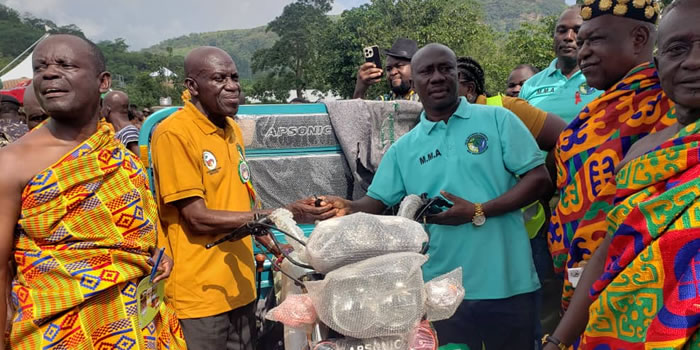
The Amaniampong Silver Stool of Mampong is traditionally next in terms of relationship to the Golden Stool the Symbolic unifying force of the Asanteman (Ashanti Kingdom). The Asantehene is traditionally the Uncle of Mamponghene.
There is a strong clan relationship between Mampong and other surrounding communities like Apaah, Kyekyewere, Ninting, Nsuase, and Benim, all belonging to the Bretuo Clan.
Sister stools at Sekyere Central Municipal such as the Nsuta, Beposo, and Kwamang Stools belong to the Oyoko, Agona, and Aduana Clans respectively.
Ethnic Diversity
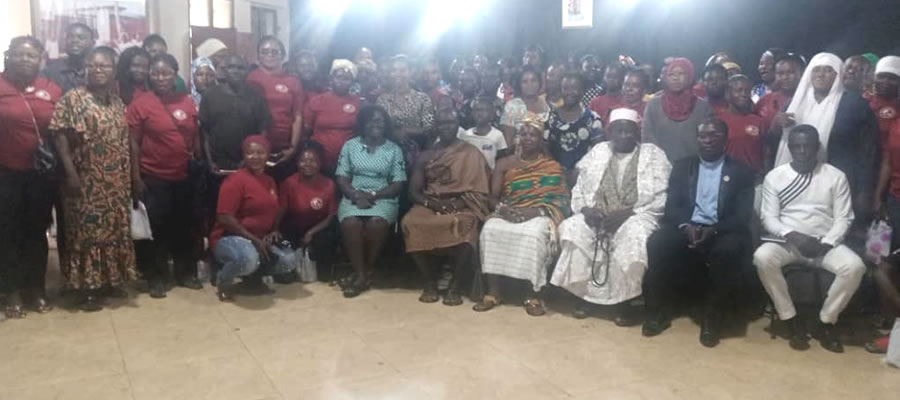
One important characteristic about the municipality is its ethnic diversity. Settlements within the municipality are made up of various ethnic groups within the country. Each group has a unique culture in terms of building styles, physical appearances and the kind of food eaten.
The municipal area is however dominated by Akans who constitute about 70.6% followed by the Mole –Dagbon tribe (16.1%), Gurma 5.7%, Mande 1.4. The table below shows various tribes in the Municipality. The harmonious and peaceful co-existence of these tribes promote healthy environment for development.

Festivals
Festivals usually celebrated within the municipality are the Akwasidae, Awukudae, and Fofie. Akwasidae is the most adored festive celebration of the Silver stool. The Mampong Traditional Area is famous for the celebration of the Kontonkyi, Adaekesie, which traces the migration of the Mampong people to their present location. The municipal area enjoys peace and social cohesion which facilitates socio-economic development.
Ethnicity/Chieftaincy Conflicts
There is a high level of social cohesion among ethnic groups at various settings within the municipality. There are however isolated cases of chieftaincy conflicts which usually emanate from traditional legitimacy to the occupancy of the stools. This tends to develop intra-clan blocs resulting in animosity and division among the people which have the tendency to impact negatively on socio-economic development. This negative effect manifests itself in people’s response to social gathering and communal labour.
Religious Composition
Christians constitute about 77.0 percent of the religious population whilst Moslems and traditionalists constitute about 15.8 percent and 1.1 percent respectively. Those belonging to other religions such as Buddhism, Hinduism and others constitute about six percent of the entire religious population. The distribution is shown in the table below.
Date Created : 11/26/2025 7:39:50 AM




Local Gov Ministry
Int of Local Gov Studies
Ministry of Information
Local Gov Service
Ghana MPs
Ghana Hospitals
NALAG
 facebook
 X
X
 Youtube
 instagram
 whatsapp
 +233 593 831 280
+233 20 230 9497
+233 593 831 280
+233 20 230 9497 0800 430 430
 GPS: GE-231-4383
 info@ghanadistricts.com
 Box GP1044, Accra, Ghana