- Item


AGRICULTURE
Nine Farmers Receive Livelihood Support to Build Climate Resilience in Bogyampa
Date Created : 6/29/2026 : Story Author : Benjamin Akoto/Ghanadistricts.com
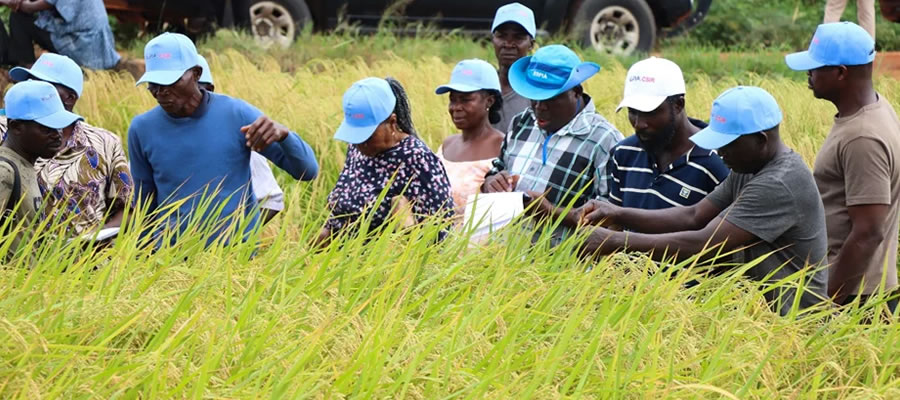
The beneficiaries received the support after completing a refresher course and vocational skills training in bead making, traditional necklace and bracelet production, as well as liquid soap and detergent manufacturing.
Mr. Peter Kwame, Project Lead for the Climate Change Awareness and Livelihood Empowerment Project, said the intervention formed part of activities under the project, which is supported by the Global Greengrants Fund (GGF).
He explained that the initiative seeks to strengthen the resilience of farming households whose livelihoods have been threatened by declining agricultural productivity resulting from climate change.
Speaking at a presentation ceremony at Bogyampa, Mr. Kwame expressed concern over poor crop yields in the community, noting that the situation had worsened poverty among farming households.
He said the support was intended to diversify the beneficiaries' sources of income and reduce their vulnerability to the effects of climate change.
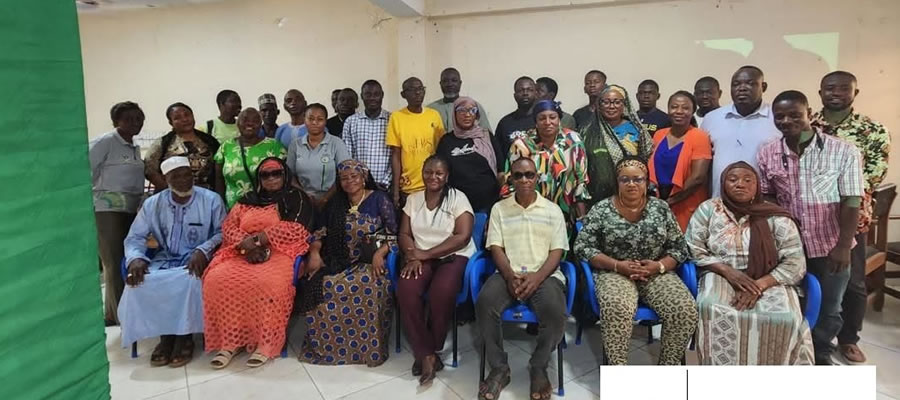
Mr Kwame explained that about a year ago, more than 200 farmers, predominantly women, participated in an awareness campaign and vocational skills training programme aimed at equipping them with alternative livelihood opportunities.
According to him, about 20 participants demonstrated a strong commitment to pursuing the vocational training, with the first batch of nine beneficiaries now receiving start-up support to establish their businesses.
He urged the beneficiaries to remain dedicated to their new trades, stressing that commitment and hard work would enable them to generate sustainable incomes.
Mr Kwame also advised them to cultivate a savings culture and reinvest their earnings to expand their businesses.
He further encouraged them to avoid unnecessary expenditure that could erode their capital and profits, urging them to remain financially disciplined to sustain and grow their enterprises.
Miss Lucy Annor, Resource Person and Coordinator of the Tano Women Empowerment and Development Association, a non-governmental organisation, commended the beneficiaries for their dedication throughout the training.
"The initial training lasted about a week because many of the participants were beginners and encountered several challenges," she said.
"The refresher course has shown that the beneficiaries understand the skills we taught them and are applying them effectively to improve their livelihoods," she added, describing their progress as impressive.
Ms Annor noted that changing rainfall patterns caused by climate change continued to affect agricultural production in the area, making alternative income-generating activities increasingly essential for farming households.
She encouraged the beneficiaries to take the training seriously, stressing that vocational skills offered reliable pathways to sustainable livelihoods.
Madam Mary Dade, a 50-year-old beneficiary who trained in bead weaving, expressed optimism that she and her daughter, who also benefited from the programme, would establish a successful business to improve their household income.
Another beneficiary, Mr. Emmanuel Kyei, 36, said the skills acquired would serve as an important source of income during periods of poor harvests caused by unfavourable weather conditions.
"As farmers, we sometimes experience poor harvests due to unfavourable weather conditions. During such periods, the skills we have acquired will help us earn an income and take care of our families," he said.
Mr. Kyei encouraged young people to embrace vocational skills training, describing it as a pathway to economic security and self-reliance.
Other Stories

Local Gov Ministry
Int of Local Gov Studies
Ministry of Information
Local Gov Service
Ghana MPs
Ghana Hospitals
NALAG
 facebook
 X
X
 Youtube
 instagram
 whatsapp
 +233 593 831 280
+233 20 230 9497
+233 593 831 280
+233 20 230 9497 0800 430 430
 GPS: GE-231-4383
 info@ghanadistricts.com
 Box GP1044, Accra, Ghana