- Item


ECONOMICS
Speaker Bagbin Champions Parliamentary Decentralization to Deepen Ghana’s Democracy
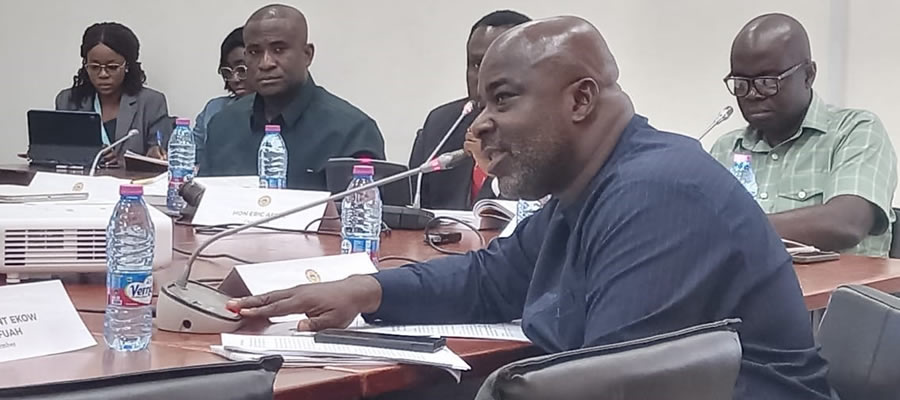
The Right Honourable Speaker of Parliament, Alban Sumana Kingsford Bagbin, has issued a powerful call to restructure the legislative arm of government, advocating for a decentralized model that moves parliamentary functions beyond the capital. Speaking at the Speaker’s Breakfast Forum in Accra on Wednesday, March 4, 2026, Bagbin argued that bringing Parliament closer to the grassroots is no longer just an option, but a critical necessity for the health of Ghana’s democracy.
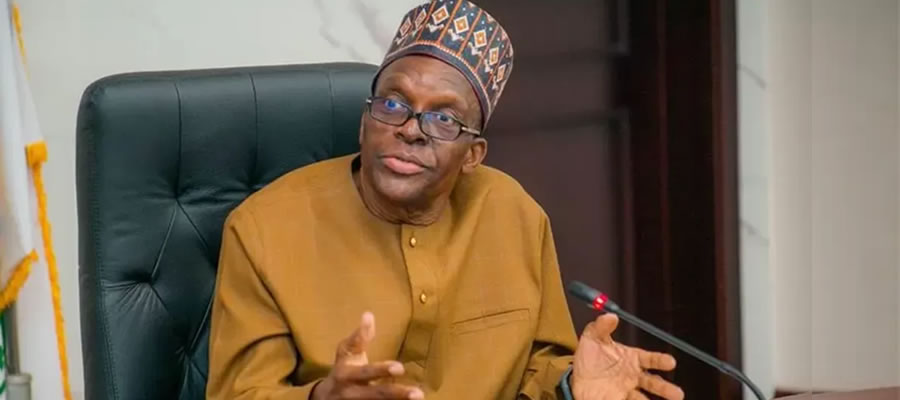
Date Created : 3/5/2026 : Story Author : Ghanadistricts.com
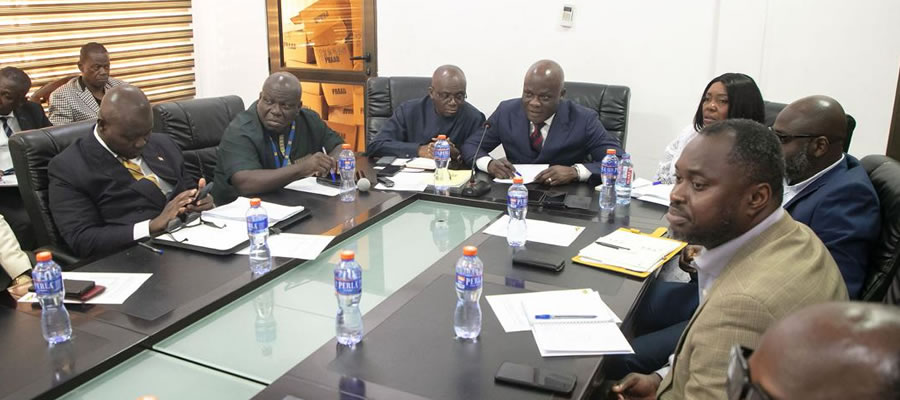
Held under the theme “Parliamentary Decentralization: Taking Parliament Closer to the People,” the event gathered policymakers and governance experts to explore how devolving legislative activities could transform the relationship between citizens and the state.
Speaker Bagbin outlined a vision where aspects of parliamentary work such as community engagement, policy consultations, and oversight are relocated to regional and local structures. He asserted that this shift would not only alleviate the logistical burden currently shouldered by individual Members of Parliament but would also foster more responsive governance. By establishing locally based parliamentary offices, citizens would gain more direct access to the legislative process, making representation more tangible. "When legislative power is decentralized, oversight becomes more immediate, visible and tangible," Bagbin stated. "Citizens can hold their local leaders directly accountable."
Beyond improving responsiveness, the Speaker emphasized that decentralization is key to clarifying the often-blurred lines between the roles of MPs, Assembly Members, and local government officials. He noted that realigning these responsibilities is essential to managing citizen expectations and reducing widespread misunderstandings about the functions of Parliament.
Furthermore, Bagbin framed the initiative as a vehicle for inclusivity, ensuring that all demographics—regardless of their region, religion, or background—gain a meaningful voice in national governance, thereby strengthening the social fabric of the nation.
However, discussions at the forum revealed significant hurdles, particularly the strained relationship between the national legislature and local assemblies. Dr. Richard Fiadomor, representing the Chamber for Local Governance, pointed to a breakdown in the intended cyclical collaboration between MPs and District Assemblies. He explained that while MPs are meant to serve as a conduit between the two levels of government, excessive partisanship has eroded this link, leading to poor coordination and misaligned development priorities. This disconnect, he warned, undermines the very essence of decentralized governance.
Structural reform of the political system itself was a key theme among contributors. Sammy Obeng, Founder of Parliamentary Network Africa, critiqued the current electoral dynamic, noting that campaign promises often distort the public’s understanding of an MP’s constitutional duties.
He called for Parliament to institutionalize the right of citizens to participate directly in legislative proceedings, ensuring that the public’s voice is integrated into the lawmaking process. Adding historical context, former Local Government Minister Prof. Kwamena Ahwoi traced the misconception of MPs as mere development agents back to pre-Fourth Republic arrangements, a perception worsened by Parliament’s involvement in the District Assemblies Common Fund.
To address these systemic issues, the forum concluded with a series of concrete proposals aimed at institutional change. Dr. Fiadomor suggested decentralizing the Office of the Parliamentary Service itself, rather than simply setting up constituency offices, to create a permanent legislative presence in the regions.
Prof. Ahwoi recommended hosting an annual alignment conference between Regional Coordinating Councils and Regional Parliamentary Caucuses, alongside establishing a dedicated Local Government Office within the Parliamentary Service. These measures, the experts agreed, are vital steps toward reinforcing the separation of powers and ensuring that decentralization moves from rhetoric to reality.
Other Stories


GoG Portal
Local Gov Ministry
Int of Local Gov Studies
Ministry of Information
Local Gov Service
Ghana MPs
Ghana Hospitals
NALAG
Local Gov Ministry
Int of Local Gov Studies
Ministry of Information
Local Gov Service
Ghana MPs
Ghana Hospitals
NALAG
 facebook
 X
X
 Youtube
 instagram
 whatsapp
 +233 593 831 280
+233 20 230 9497
+233 593 831 280
+233 20 230 9497 0800 430 430
 GPS: GE-231-4383
 info@ghanadistricts.com
 Box GP1044, Accra, Ghana