- Item


GENERAL
AMA to roll out extreme-heat sensitisation campaign as vulnerability report flags “very high”, “extreme” risk zones in Accra
Date Created : 12/18/2025 : Story Author : Susana Danso/Ghanadistricts.com
The Head of Public Affairs at the AMA, Mr. Gilbert Nii Ankrah, who announced the campaign in an interview, explained that a recent vulnerability assessment report on urban heat in Accra had revealed dangerous trends, hence the campaign.
Mr. Ankrah said the report titled “Urban Heat Stress and Related Health Risks in the Metropolis: Vulnerability Assessment Report” was authored by Prof. Richard Amfo- Otu of the University of Environment and Sustainable Development and sponsored by Vital Strategies under the Partnership for Healthy Cities.
He said the assessment linked the growing heat burden to climate change, rapid urbanisation, land-use changes and the urban heat island effect, warning that heat risks were escalating beyond discomfort into a public health and productivity challenge.
Mr. Ankrah said the planned AMA sensitisation campaign would aim to improve public understanding of heat risks, especially in communities identified as hotspots, while encouraging protective behaviours and supporting broader actions recommended by the assessment.
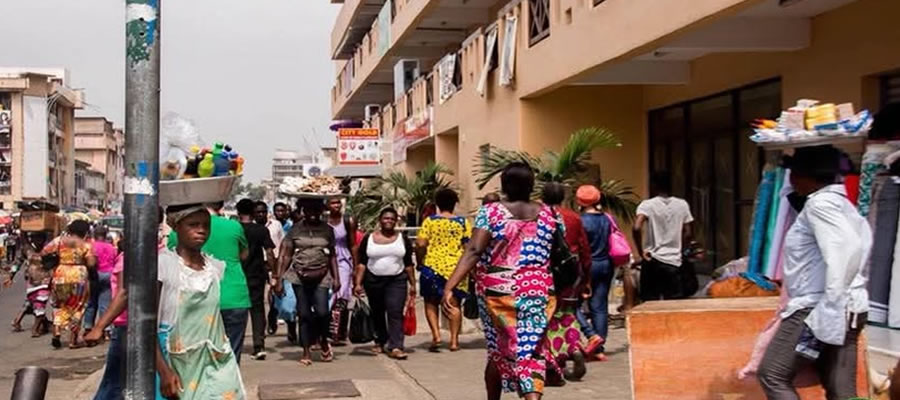
The report’s heat-risk mapping indicated that high-risk zones covered most parts of Accra Central in the Ashiedu-Keteke Sub-Metropolitan District, as well as areas including Korle Bu and parts of Dansoman in Ablekuma South Sub-Metropolitan District, and Kaneshie, including the market area, in Okaikoi South Sub-Metropolitan District.
It identified “very high” heat risk localities across the three sub-metros, including Mpoase, Mamprobi, Korle Gonno, Abodwe, Old Dansoman, Lante Maami, and Opetekwe in Ablekuma South, and Kaneshie, North Industrial Area, Bubuashie, Kokompe, Masalatsi, Quarters and Awudome in Okaikoi South Sub-Metropolitan District.
For “extreme” heat risk, the assessment listed James Town, Ussher Town, Dudor, Old Fadama, Bukom, Adedenkpo, Agbogbloshie and Kantamanto Market in Ashiedu-Keteke, and named Gbegbeyise, Chorkor, Mamprobi, Agege and Camara in Ablekuma South. It added that extreme conditions were mainly found in the South Industrial Area, North Industrial Area, and Kaneshie in Okaikoi South.
On observed warming, the report said dry-season land surface temperatures in Accra had shown a consistent upward trend, rising from a mean of 35.5°C in 1991 to 36.1°C in 2002, 37.0°C in 2015, and 40.0°C by 2024, with hotspots expanding around areas such as Kaneshie and Agbogbloshie and cooler areas shrinking into limited vegetated pockets.
The assessment said heat exposure increased risks, including heat exhaustion, heat stroke, dehydration, and cardiovascular and respiratory complications, but noted that surveillance was constrained by the absence of dedicated heat-illness coding in routine metro health data, leading to reliance on proxy indicators.
It cited trends including asthma cases rising from 1,174 (2020) to 2,112 (2022) before recording 1,226 as of October 2025, alongside episodic COPD counts and skin-disease presentations that peaked in 2021 before declining by 2024 and October 2025.
The report said heat impacts were being amplified by compounding hazards such as poor air quality, flooding-related displacement into crowded shelters and energy stress that limited cooling, warning that these interactions increased health risk and reduced community resilience.
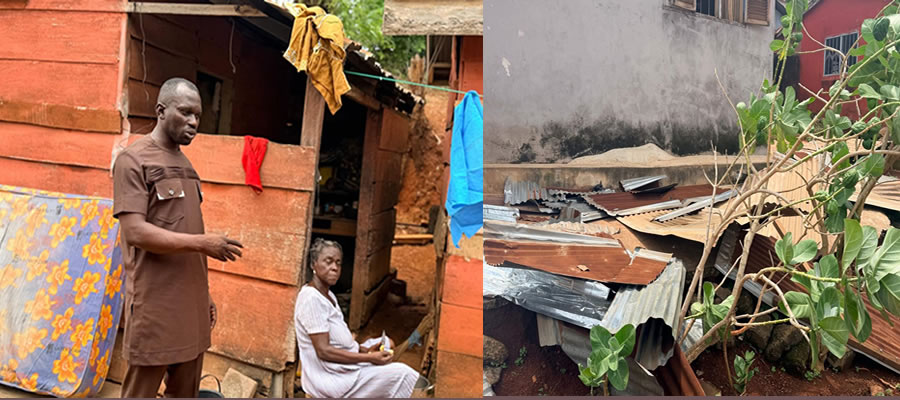
It also highlighted socio-economic drivers of vulnerability, reporting that AMA’s population density exceeded 12,000 persons per square kilometre, and that informal settlements such as Agbogbloshie, Old Fadama, and Chorkor commonly faced overcrowding, metal roofing, poor ventilation, limited green cover and inadequate access to water and electricity, conditions the report said intensified exposure and reduced adaptive capacity.
In describing current coping practices, the assessment reported that only 14% of outdoor workers surveyed adjusted working hours to avoid peak heat, while most continued working through extreme conditions due to income insecurity. It also noted that workers sought shade in bus terminals and coastal areas, and that groups of traders in markets such as Agbogbloshie and Kaneshie sometimes pooled resources to use fans or generator-powered cooling devices, though coverage remained limited.
The report concluded that Accra faced “high and multi-dimensional” heat vulnerability driven by climate change, urbanisation, poverty and weak institutional systems, with the most severe impacts expected among informal workers, residents of informal settlements, older persons, women and children, and low-income households in known hotspots including James Town, Chorkor, Kaneshie and Agbogbloshie.
Other Stories




Local Gov Ministry
Int of Local Gov Studies
Ministry of Information
Local Gov Service
Ghana MPs
Ghana Hospitals
NALAG
 facebook
 X
X
 Youtube
 instagram
 +233 593 831 280
+233 20 230 9497
+233 593 831 280
+233 20 230 9497 0800 430 430
 GPS: GE-231-4383
 info@ghanadistricts.com
 Box GP1044, Accra, Ghana