- Item


AGRICULTURE
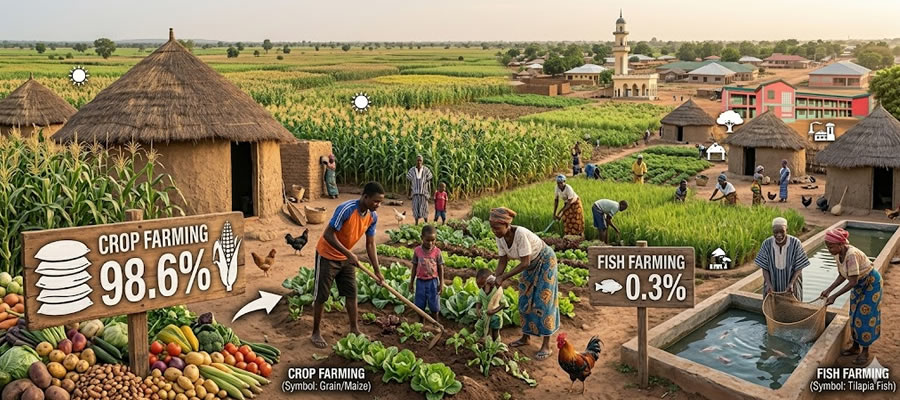
"Crop Farming at 98.6%, Fish Farming at 0.3%: The Numbers Behind Karaga's Food Basket"
Date Created : 2/19/2026 : Story Author : Ernestina Mensah/Ghanandistricts.com
Livestock farming comes in second, while tree planting and fish farming round out the district's agricultural portfolio. Fish farming, however, remains the least practiced activity at just zero point three percent.
The numbers tell a clear story. About ninety-nine percent of rural households engage in crop farming, while in urban localities within the district, the figure stands at approximately eighty-eight percent.
When it comes to fish farming, rural households lead at zero point four percent, while urban households record zero percent — a reflection of the district's inland savannah geography where valley basins offer limited but viable fishing opportunities.
However, Karaga Municipality is home to a staggering two hundred and thirty thousand three hundred and seventy-three animals in total. These are cared for by ten thousand nine hundred and ninety livestock keepers, with an average of twenty-one animals per keeper.
Here is how the numbers break down by species:
Chicken tops the list with fifty-four thousand nine hundred and eighty-six birds, raised by two thousand two hundred and twenty-six keepers, averaging twenty-five chickens per keeper. Chicken farming is widespread because poultry requires minimal capital, reproduces quickly, and provides both food and income for households.
Cattle follow closely at forty-eight thousand nine hundred and eight animals, with one thousand five hundred and sixty-seven keepers and an average of thirty-one animals per keeper. Cattle are a symbol of wealth and status in Dagomba culture, used for dowry payments, festivals, and as a buffer against lean seasons.
Sheep number forty-five thousand three hundred and fifty-seven, kept by two thousand six hundred and forty-five keepers at an average of seventeen animals per keeper. Sheep are prized for their hardiness and their role in religious ceremonies, especially during Eid.
The high numbers among ruminants like cattle and sheep can be attributed to the grassland nature of the district, which provides abundant natural feed for grazing animals throughout much of the year.
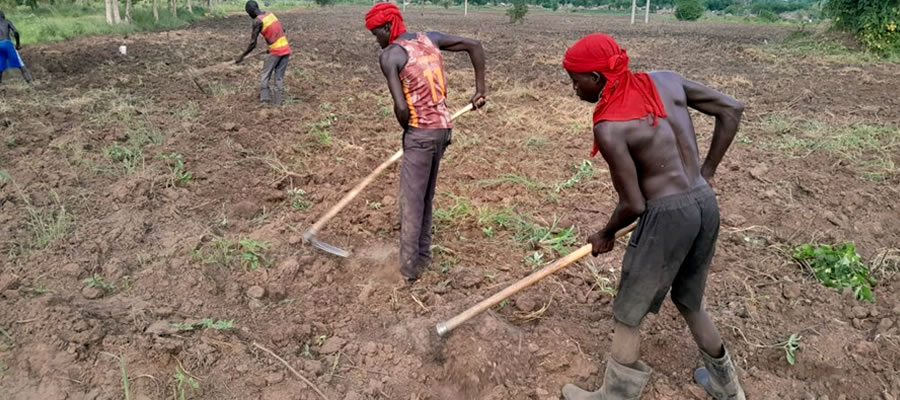
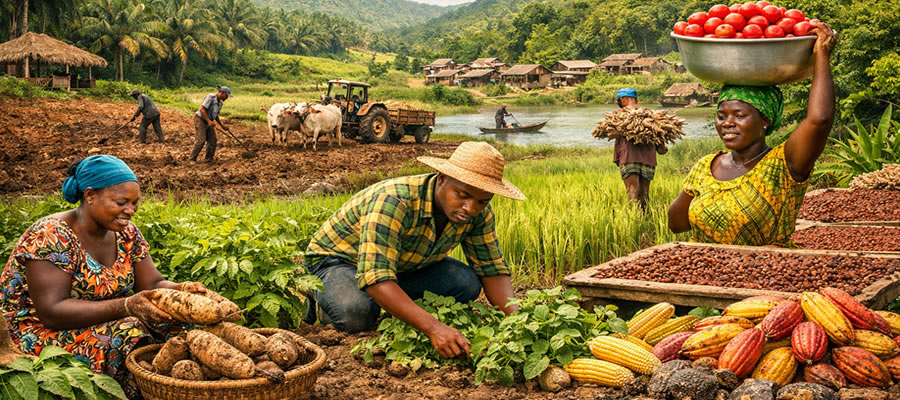
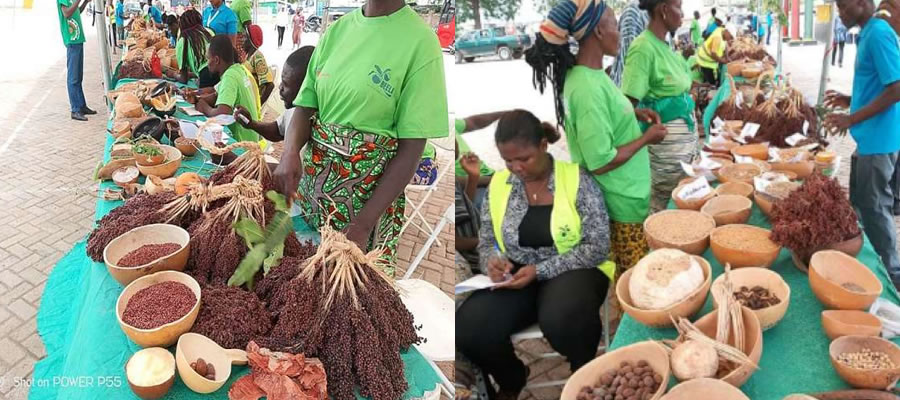
The prevailing farming system in Karaga is mixed farming. Beyond crop production, the average farm family raises a wide variety of livestock and local poultry, creating an integrated system where animals provide manure for crops and crop residues feed animals.
With regards to crop production, semi-permanent to shifting cultivation is practiced in the remote areas of the district where land availability is not a constraint and population density remains low. Mixed cropping dominates the cropping pattern, with farmers planting multiple crops on the same plot to spread risk and maximize land use.
Mono-cropping activities in the district are relatively limited and are mainly confined to large commercial rice and maize farms. Most of the rice farms are strategically located in valley basins, where seasonal flooding and moisture retention create ideal conditions for paddy cultivation.
Other Stories

Local Gov Ministry
Int of Local Gov Studies
Ministry of Information
Local Gov Service
Ghana MPs
Ghana Hospitals
NALAG
 facebook
 X
X
 Youtube
 instagram
 whatsapp
 +233 593 831 280
+233 20 230 9497
+233 593 831 280
+233 20 230 9497 0800 430 430
 GPS: GE-231-4383
 info@ghanadistricts.com
 Box GP1044, Accra, Ghana