- Item


GENERAL
North-East Region turns to solar-powered water systems to tackle climate change
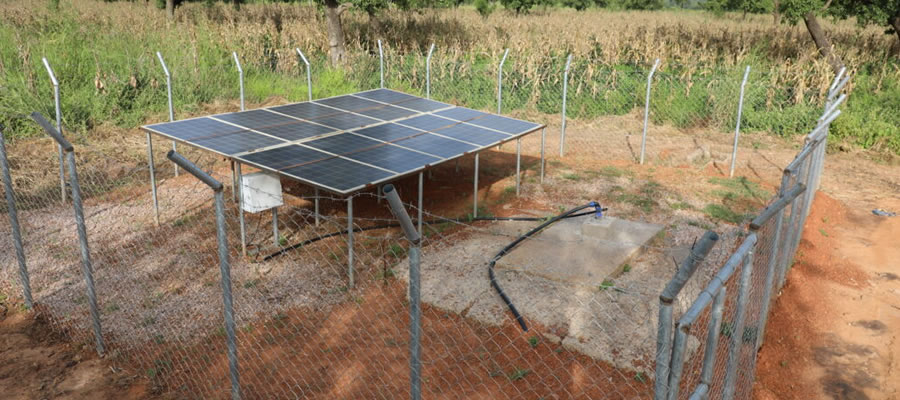
Date Created : 10/27/2026 : Story Author : Albert Oppong-Ansah/Ghanadistricts.com
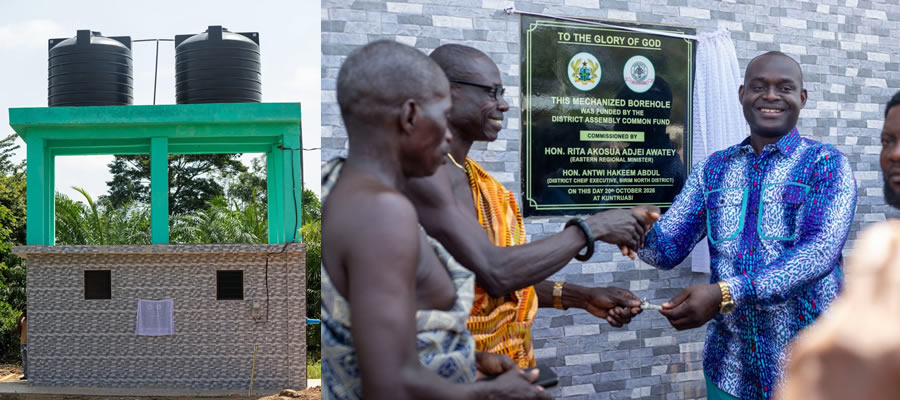
The initiative seeks to improve access to water for households and public institutions while supporting year-round farming through solar-powered groundwater extraction.
Mr Ibrahim Tia, the North-East Regional Minister said that climate change was increasingly affecting water availability, making farming along river bodies less sustainable and requiring communities to explore alternative water sources.
“We cannot rely on our river bodies. Climate change is fast catching up with us, and the only way is to explore other opportunities available for our activities,” he said.
He said the Council was working with district assemblies and development partners to extend access to water in communities and provide water facilities for schools and other public institutions.
Mr Tia said solar-powered water systems offered a sustainable alternative because they used sunlight, a readily available resource, to pump groundwater without the recurring fuel costs associated with conventional pumping systems.
He explained that communities would mainly be responsible for the relatively low maintenance costs of the systems.
The Minister said the Council was also pursuing plans to expand dry-season farming by drilling boreholes on suitable farmlands and equipping them with solar-powered pumping systems to support irrigation throughout the year.
He said the approach would reduce farmers’ dependence on rivers, which were increasingly drying up, and enable them to cultivate fertile lands that might otherwise remain underused during the dry season.
The initiative is expected to create additional opportunities for farmers to increase production, improve their incomes and strengthen the region’s capacity to cope with changing rainfall patterns.
Mr Tia noted that preparatory work was underway to establish facilities in each district to support the programme, with some infrastructure expected to be completed by the end of November.The initiative forms part of broader efforts to strengthen local resilience to climate change through investments in water infrastructure, renewable energy and climate-smart agriculture.
The North-East Region relies heavily on rain-fed subsistence farming and is increasingly vulnerable to changing weather patterns, including shorter rainy seasons, delayed rainfall and prolonged dry spells. These conditions contribute to lower crop yields, crop failures and significant post-harvest losses.
Prolonged dry seasons and rising temperatures also threaten water security by drying up water bodies, lowering groundwater levels and degrading topsoil.
These challenges heighten food insecurity, particularly during lean periods such as May and June, when households may struggle to produce or store enough food to meet their needs throughout the year.
Declining farm incomes further limit economic opportunities, contributing to the migration of young people to southern Ghana in search of livelihoods. Competition over scarce natural resources may also intensify tensions between farmers and herders.
The adoption of solar-powered water systems and improved irrigation is expected to help address some of these challenges by supporting agricultural production beyond the rainy season, improving water access and strengthening community resilience to climate-related shocks.
Other Stories






Local Gov Ministry
Int of Local Gov Studies
Ministry of Information
Local Gov Service
Ghana MPs
Ghana Hospitals
NALAG
 facebook
 X
 Youtube
 instagram
 whatsapp
 +233 593 831 280
+233 20 230 9497
 0800 430 430
 GPS: GE-231-4383
 info@ghanadistricts.com
 Box GP1044, Accra, Ghana