- Item


Central Tongu’s Gari Crown and Market Dynamics: A Feature on Local Trade, Production, and Prosperity
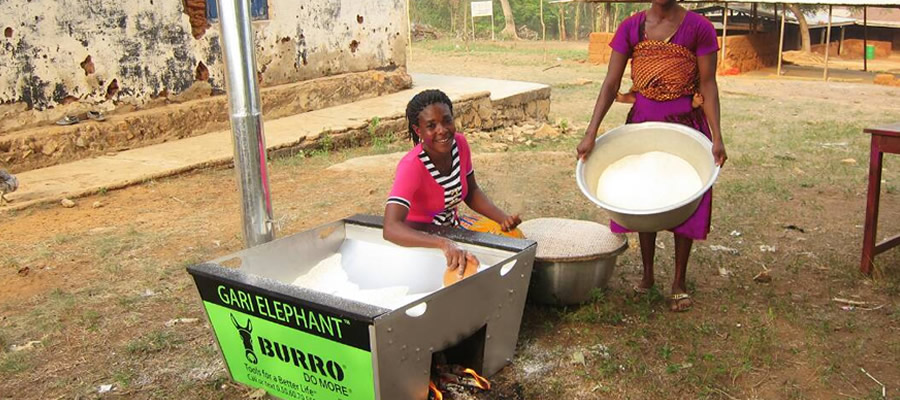
The Central Tongu District is renowned for the high quality of its gari processing, a commodity that draws traders from major markets within a 100-kilometer radius to the Mafi-Kumasi market.
Date Created : 11/24/2025 4:58:12 AM : Story Author : Ghanadistricts.com
Among the district’s market centers, Mafi-Kumasi stands out as the leading magnet for traders, followed closely by Avedo market. Adidome market, despite being in the district capital, attracts comparatively fewer traders, highlighting a concentration of demand and activity in specific hubs. Beyond gari, the district’s export portfolio includes pepper, cassava dough and peel, pineapple, maize, and beans, reflecting a diversified agricultural economy.
Gari Production and Female Participation
Gari is not only a key product but also a livelihood support for many households. It is produced by about half of the women within the district’s economically active population, underscoring the gendered nature of this traditional enterprise. While this widespread participation supports household incomes, it also presents market dynamics where supply can outpace demand, influencing pricing and buyer behavior in local and regional markets.
Domestic and Cross-Border Trade Corridors
Residents of Central Tongu engage with a broad network of markets beyond their borders. The major external markets most patrons travel to include Accra, Ada, Ho, Akatsi, Dabala, Denu, and Aflao. Agro-produce remains the cornerstone of trade, with gari, pepper, cassava, maize, beans, and other staples forming the backbone of commerce. Within-district trade centers focus on fish, vegetables, maize, and daily-essential items, illustrating a balanced economy that supports both production and consumption at community levels.
Market Hubs and Local Economic Impacts
Market centers such as Mafi-Kumasi and Avedo function not only as buying and selling venues but also as social and information exchange nodes. They influence price discovery, seasonal planting choices, and household budgeting. The concentration of traders at specific hubs suggests opportunities for market-enhancement interventions, including improved storage facilities, value-added processing for gari and cassava products, and strengthened transport links to reduce spoilage and extend market reach.
Looking Forward—Strengthening Trade, Livelihoods, and Resilience
To sustain and grow the district’s market-driven economy, policymakers and traders might consider expanding market access through improved road infrastructure, predictable market days, and better trading standards to protect producers and consumers. Investment in women-led enterprises, particularly in gari processing and related value chains, could amplify household incomes and resilience. Diversifying the district’s export portfolio while maintaining quality standards for gari, can help stabilize income streams against seasonal fluctuations.
How Residents Can Engage
Residents are encouraged to participate in district-supported market programs, seek training in post-harvest handling, and explore cooperative models to consolidate bargaining power. Buyers and traders from outside the district can support sustainable livelihoods by choosing high-quality, locally produced gari and other agro-products, while remaining mindful of fair pricing and ethical sourcing.
Other stories


GoG Portal
Local Gov Ministry
Int of Local Gov Studies
Ministry of Information
Local Gov Service
Ghana MPs
Ghana Hospitals
NALAG
Local Gov Ministry
Int of Local Gov Studies
Ministry of Information
Local Gov Service
Ghana MPs
Ghana Hospitals
NALAG
 facebook
 X
X
 Youtube
 instagram
 whatsapp
 +233 593 831 280
+233 20 230 9497
+233 593 831 280
+233 20 230 9497 0800 430 430
 GPS: GE-231-4383
 info@ghanadistricts.com
 Box GP1044, Accra, Ghana