- Item


“When Kwabenya Speaks, History Listens”
Date Created : 9/16/2025 8:05:11 AM : Story Author : Irene kwakye Danso
This community is led by Municipal Chief Executive Edmund Agboh, supported by the Member of Parliament Elikplim Akurugu, and Assemblyman Bright Paul Mintah, who together govern the municipality’s affairs. But beyond governance and development, the soul of Kwabenya lies in its rich cultural heritage, anchored in stories and traditions passed down through generations.
Unveiling Kwabenya’s Name and Legacy
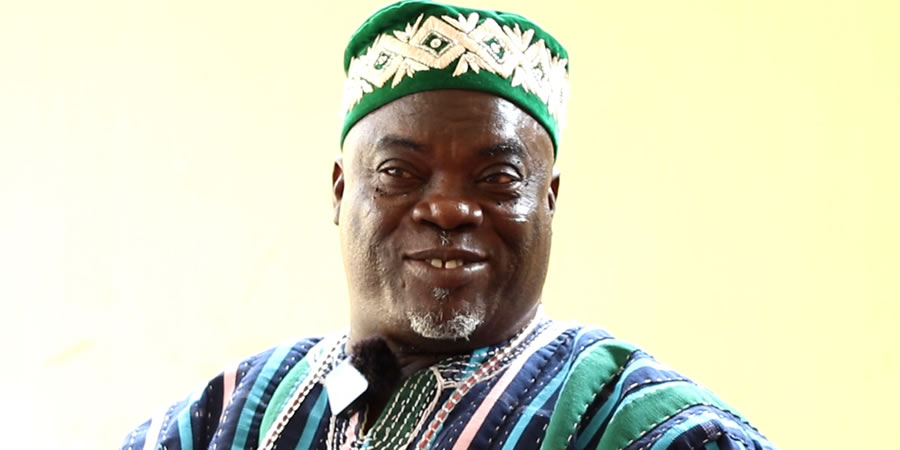
The story behind Kwabenya’s name, shared by Nii Ga Mu I the venerable Ga-Muslim Chief and family head of Abbey ‘We’ takes us deep into the past. Kwabenya believed to be one of the country's oldest villages traces it name back to the founder of the town, Nii Abbey, who was respected for his farming and hunting skills, as well as his generosity. Twi-speaking settlers, finding help in Nii Abbey, often said "Ko Abbey ho, wo be nya," meaning "Go to Abbey, you would be sorted out." This phrase, over time, transformed to Kwabenya and came to symbolize a place of support and solidarity.
.jpg)
The Origins of Ayawaso and Abbey’s Well
Nii GaMu I also enlightened on other local names rich with meaning like Ayawaso, an ancient center of Ga power, originated from a tradition established by their leader, Ayi. During migration, Thursdays were when the group stopped, and in Ga, Thursday is “Soh” while “Wa” means stop, hence “Ayiwa soh” evolved into Ayawaso, now an important municipal name.
Similarly, the commonly mispronounced Abuom Junction is correctly “Abbey-bu Junction,” meaning “Abbey’s well.” This name honors a critical water storage well dug by Nii Abbey, underscoring the deep connection between the community's geography and its history.
Kwabenya Today: Growth with Culture
Today, Kwabenya has grown rapidly as a peaceful suburb, blending residential and commercial developments. It hosts important national institutions and embraces its cultural roots through community festivals like the Homowo a harvest celebration that expresses gratitude and unity.

In Ga East, history and modernity coalesce. The municipality is a hub not only of governance and health services but also of tourism and cultural preservation, featuring historical sites linked to the era of slavery, ancient Ga kingdoms, and traditional leadership.
Cultural Heritage on GhanaDistricts TV
This exploration of Kwabenya, Ayawaso, and Abbey-bu Junction only scratches the surface of the myriad stories woven into Ghana’s rich cultural fabric. On GhanaDistricts TV’s Cultural Heritage series, viewers gain unprecedented access to these narratives, told authentically in the Ga language and through the voices of community elders like Nii GaMu I.
With each program, GhanaDistricts TV reaffirms its commitment to preserving and celebrating the “living history” of Ghana’s towns and communities proving that every name has a story, and every story has a soul.
So, as the sun sets on another vibrant day in Kwabenya, the echoes of tradition whisper in the breeze, reminding all to stay proud, stay connected, and cherish the roots that ground this thriving community.
This is Cultural Heritage on GhanaDistricts TV where history lives and culture speaks.
Summary of Name Origins:
Name Language Meaning Origin Story
Kwabenya Twi "Go to Abbey, you would be sorted" Named after Nii Abbey, seen as a helpful figure
Ayawaso Ga "Ayi stopped on Thursdays" Stop day tradition established by leader Ayi
Abbey-bu (Abuom) Junction Ga "Abbey’s well" Named after the water well dug by Nii Abbey
This rich heritage deepens the appreciation of Ghana's cultural landscape and exemplifies how history breathes life into our present communities.
Other stories





Local Gov Ministry
Int of Local Gov Studies
Ministry of Information
Local Gov Service
Ghana MPs
Ghana Hospitals
NALAG
 facebook
 X
X
 Youtube
 instagram
 whatsapp
 +233 593 831 280
+233 20 230 9497
+233 593 831 280
+233 20 230 9497 0800 430 430
 GPS: GE-231-4383
 info@ghanadistricts.com
 Box GP1044, Accra, Ghana