- Item


AGRICULTURE
Oforikrom’s Subsistence Agriculture Sparks Local Prosperity and Food Security Boom
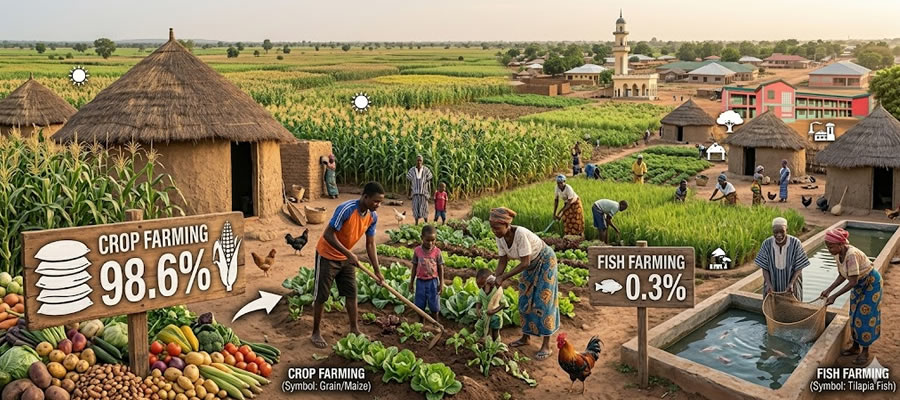
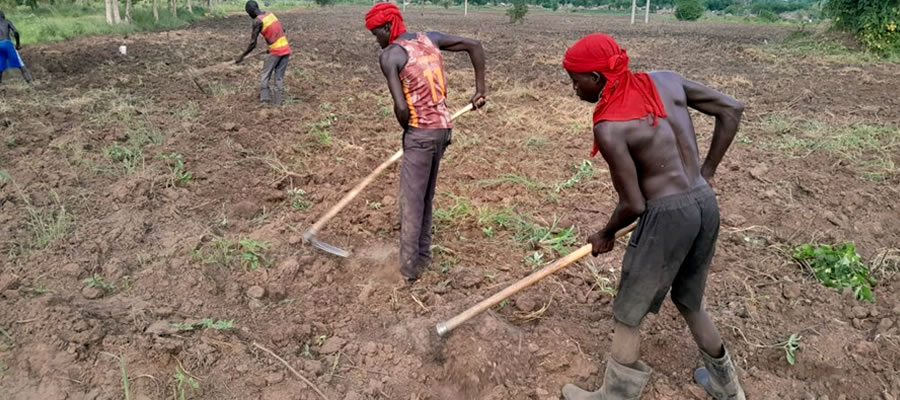
In the Oforikrom Municipality, subsistence agriculture remains the cornerstone of rural livelihoods and urban fringe resilience. This traditional form of farming, where households cultivate crops primarily for family consumption and local markets, continues to adapt to changing economic and environmental conditions. The result is a vibrant, diverse agricultural landscape that not only feeds communities but also underpins local economies and social cohesion.
Date Created : 11/26/2025 : Story Author : Ghanandistricts.com
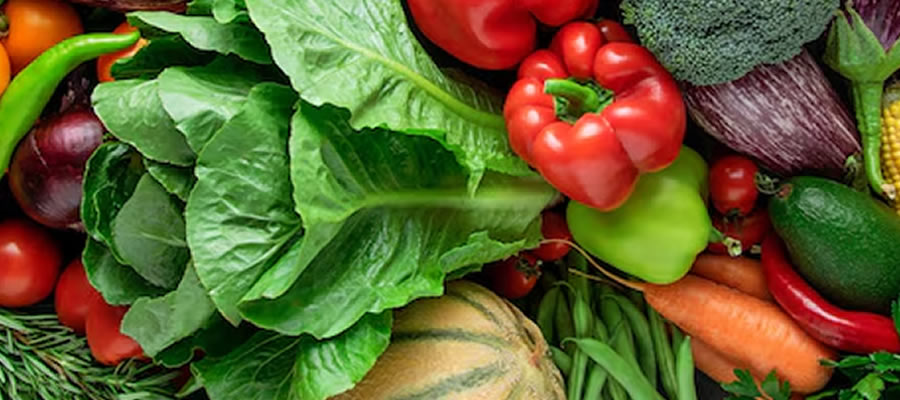
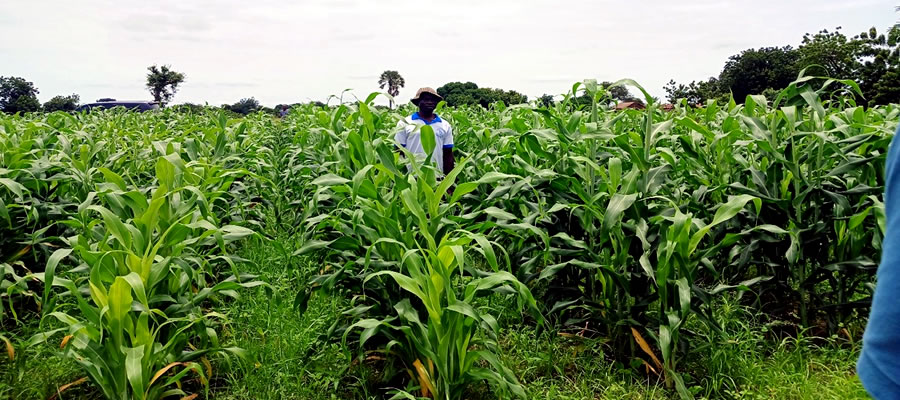
Farmers in Oforikrom cultivate a wide array of vegetables that brighten tables and bolster nutrition. Carrots, cabbages, lettuces, green peppers, spring onions, cucumbers, ayoyo (a leafy vegetable), aleefi, and garden eggs (eggplants) are among the staples on many plots. These vegetables complement staple crops such as maize, forming a mixed-crop system that helps spread risk and improve soil health over successive seasons.
The emphasis on both leafy greens and root vegetables reflects a practical approach to year-round production, ensuring households have access to fresh produce beyond peak growing periods.
The emphasis on both leafy greens and root vegetables reflects a practical approach to year-round production, ensuring households have access to fresh produce beyond peak growing periods.
The central aim of subsistence farming in this municipality is to secure a reliable supply of food for families and neighboring communities. By prioritizing crops that are well-suited to local climates and soils, farmers help maintain a steady stream of vegetables and grains that can buffer households against market fluctuations and shortages.
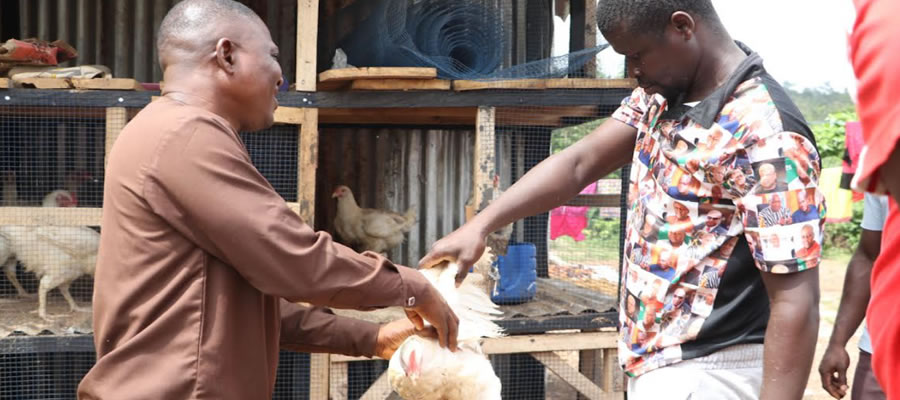
Even as global and national markets influence prices, the local farming system supports small-scale commerce. Farmers sell surplus produce at local markets, generating modest income that circulates within the community. This informal economy provides seasonal employment opportunities, strengthens social networks, and contributes to the overall vitality of the municipality’s economy.
A diverse harvest translates into a more varied diet, improving access to essential vitamins, minerals, and fiber. The presence of nutrient-rich vegetables alongside staple crops contributes to improved health outcomes and greater dietary diversity for families across Oforikrom.
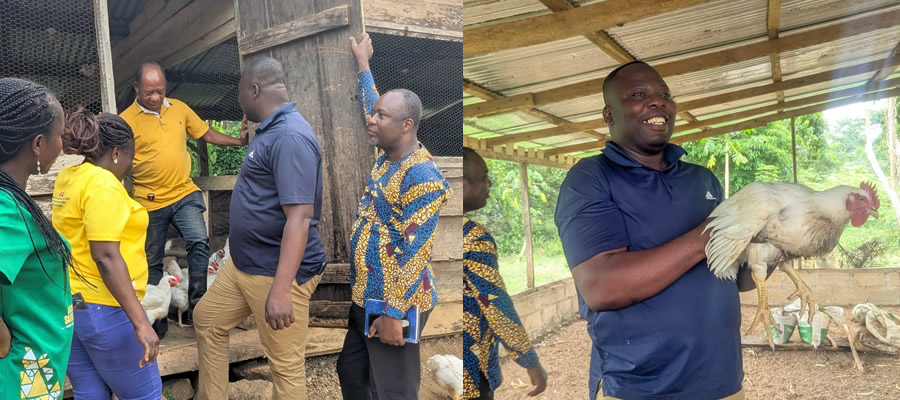
In recent years, Oforikrom’s farmers have increasingly embraced sustainable, low-input farming techniques. The emphasis on soil health, water-conserving practices, and crop diversification reflects a growing recognition that resilience hinges on environmental stewardship as much as on economic prudence. Community exchanges where seasoned farmers mentor newcomers, and local extension services provide practical guidance play a crucial role in disseminating best practices and fostering innovation at the grassroots level.
Subsistence agriculture in Oforikrom is a living system, continually evolving to meet the needs of its people. The crop mix, planting calendars, and cultivation methods are informed by seasonal weather patterns, soil conditions, and local knowledge. This adaptability helps farmers respond to rainfall variability, pest pressures, and market dynamics, ensuring that farming remains a viable livelihood option for generations to come.
Looking ahead, stakeholders in Oforikrom are optimistic about opportunities to strengthen subsistence farming through targeted support and collaborative initiatives. Enhancing access to farming inputs—such as quality seeds, affordable fertilizers, and irrigation technology—could boost yields and reduce vulnerability during dry spells. Strengthened extension services and farmer field schools may further empower farmers with up-to-date agronomic guidance and climate-smart practices.
Cooperative models and partnerships with local markets offer potential pathways to better prices and more stable income for farmers. By pooling resources for inputs, storage, and collective marketing, smallholder farmers can improve efficiency and bargaining power. Such arrangements may also unlock access to microfinance, equipment sharing, and training opportunities that support long-term resilience.
Other Stories

GoG Portal
Local Gov Ministry
Int of Local Gov Studies
Ministry of Information
Local Gov Service
Ghana MPs
Ghana Hospitals
NALAG
Local Gov Ministry
Int of Local Gov Studies
Ministry of Information
Local Gov Service
Ghana MPs
Ghana Hospitals
NALAG
 facebook
 X
X
 Youtube
 instagram
 whatsapp
 +233 593 831 280
+233 20 230 9497
+233 593 831 280
+233 20 230 9497 0800 430 430
 GPS: GE-231-4383
 info@ghanadistricts.com
 Box GP1044, Accra, Ghana