- Item


GENERAL
NCCE steps up community education on adolescent health in Chereponi
The National Commission for Civic Education (NCCE) has intensified community engagement activities in the Chereponi District to address challenges affecting adolescents' growth and development through public education on sexual and reproductive health, gender equality, and gender-based violence (GBV).
Date Created : 7/21/2026 : Story Author : Anthony Adongo Apubeo/Ghanadistricts.com
The initiative sought to promote positive behavioural change by tackling barriers to accessing accurate information on adolescent sexual and reproductive health and rights (ASRHR), while encouraging communities to create safer environments for young people.
The outreach formed part of a project being implemented by the NCCE in partnership with the United Nations Population Fund (UNFPA), with funding support from Global Affairs Canada.
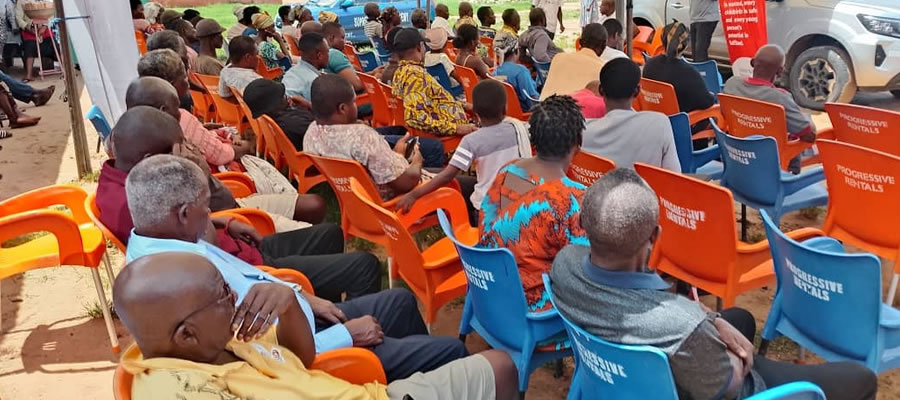
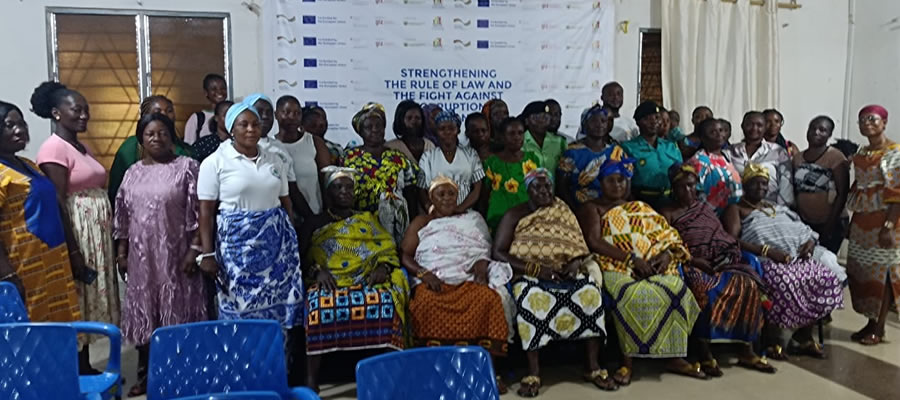
More than 100 participants, including traders, transport operators, and other community members, took part in the engagement at Chereponi, where facilitators educated them on adolescent sexual and reproductive health rights, family planning, and the need to eliminate harmful social and cultural practices.
Mr Sulemana Abdulai, Chereponi District Director of the NCCE, said the programme was designed to equip adolescents and community members with accurate information to help young people make informed decisions and reduce cases of teenage pregnancy, sexual abuse, and gender-based violence.
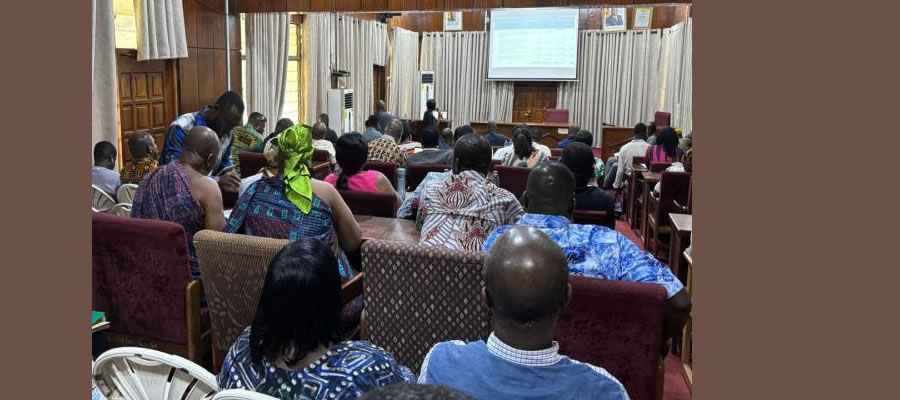
He said the initiative also created an opportunity for community members to interact with health professionals, ask questions on reproductive health, and discuss cultural practices that negatively affected adolescents.
According to Mr Abdulai, the engagement helped improve public understanding of adolescent reproductive health and gender-based violence, challenged harmful misconceptions, and encouraged residents to play active roles in preventing abuse and supporting young people.
He noted, however, that conducting the programme at a busy market and transport hub presented challenges, as many traders were reluctant to leave their stalls because of business commitments and unfavourable weather conditions.
Mr Abdulai recommended the adoption of a "walk-and-talk" approach for future market outreaches to enable traders to receive information without interrupting their businesses. He also advocated the continued involvement of qualified health professionals to enhance the credibility and impact of community education programmes.
Health professionals used the forum to dispel common misconceptions about family planning, particularly the belief that contraceptive use causes fibroids. They stressed the importance of reproductive rights and access to quality healthcare services.
Officials from the Ghana Health Service and the Domestic Violence and Victim Support Unit (DOVVSU) of the Ghana Police Service also educated participants on the various forms of gender-based violence, including domestic violence, economic abuse, and the denial of reproductive autonomy. They urged residents to report incidents of abuse and support efforts to protect women, girls, and other vulnerable members of society.
Mr Samuel Mahama, Officer-in-Charge of Chereponi Hospital, advised community members to seek family planning and reproductive health information from qualified health professionals instead of relying on myths and misinformation.
He explained that family planning methods affected individuals differently because of variations in body chemistry, adding that while one method might be suitable for one person, another individual could experience side effects and require an alternative option.
Chief Inspector Kingsley Kanda, Officer-in-Charge of DOVVSU at the Chereponi District Police Command, said gender-based violence extended beyond physical assault to include emotional abuse, economic deprivation, and the denial of an individual's right to make informed reproductive health decisions.
He encouraged victims and witnesses to report cases promptly to the appropriate authorities to ensure protection and access to justice.
The outreach attracted 103 participants, comprising 47 males and 56 females, who actively participated in discussions on adolescent health, reproductive rights, and social protection.
Other Stories
GoG Portal
Local Gov Ministry
Int of Local Gov Studies
Ministry of Information
Local Gov Service
Ghana MPs
Ghana Hospitals
NALAG
Local Gov Ministry
Int of Local Gov Studies
Ministry of Information
Local Gov Service
Ghana MPs
Ghana Hospitals
NALAG
 facebook
 X
X
 Youtube
 instagram
 whatsapp
 +233 593 831 280
+233 20 230 9497
+233 593 831 280
+233 20 230 9497 0800 430 430
 GPS: GE-231-4383
 info@ghanadistricts.com
 Box GP1044, Accra, Ghana