- Item


GENERAL
Wenchi Municipal NCCE sensitises women on corruption, rule of law
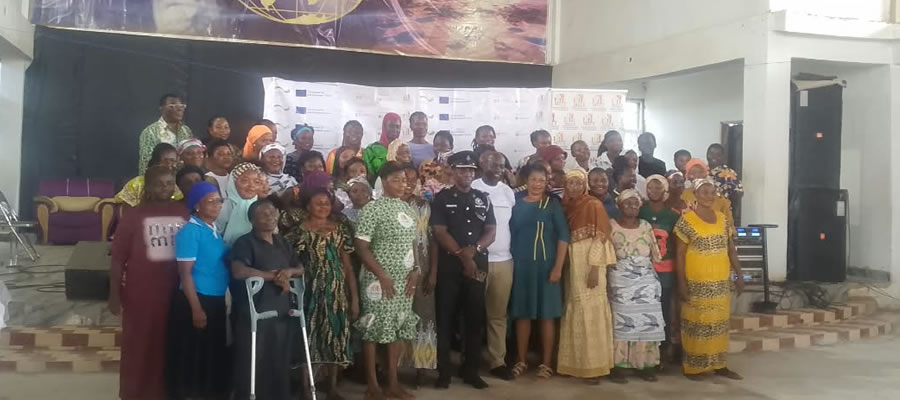
Date Created : 10/5/2026 : Story Author : Nana Anfreh Damanata/Ghanadistricts.com
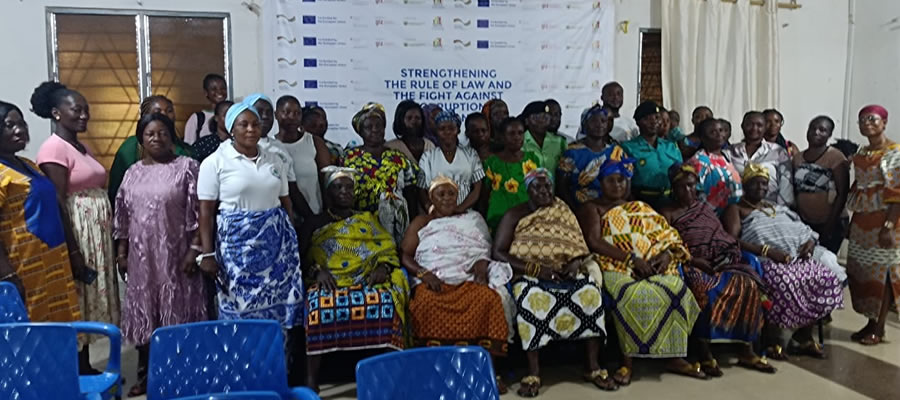
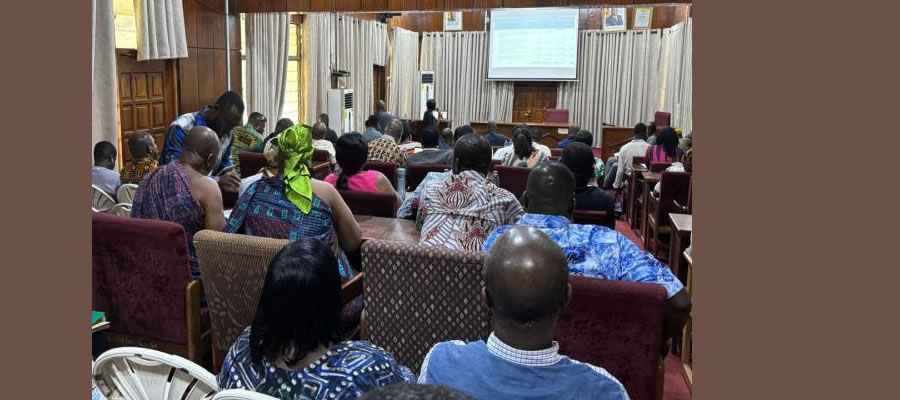
The sensitisation programme brought together market women and traders, artisans, women from faith-based organisations and persons with disabilities.
It was held on the theme: “Strengthening the Rule of Law and Fighting Against Corruption in Ghana” and supported by the European Union and the German Development Cooperation (GIZ).
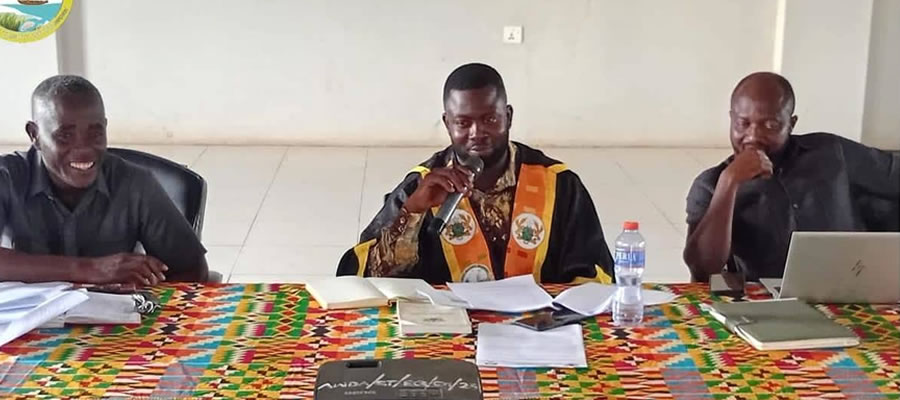
Speaking at the forum in Wenchi in the Bono Region, Mr Francis Cudjoe, Wenchi Municipal Director of the NCCE, said the programme formed part of the Commission’s efforts to empower citizens to actively promote accountability and social justice.
He urged the women to change their perception of corruption, stressing that the practice should not be seen as a problem involving only public officials.
Mr Cudjoe said corruption occurred across various sectors of the economy and emphasised that women had an important role to play in addressing the problem.
He also encouraged the participants to be law-abiding and contribute to efforts to build a corruption-free society.
Chief Superintendent of Police George Kwakye, Wenchi Municipal Police Commander, urged the women to report suspected cases of corruption and other criminal activities to the appropriate authorities.
He explained the procedures for reporting suspected criminal and corruption-related offences to the police.
C/Supt Kwakye noted that corruption-related offences could occur during everyday transactions and encouraged the women to report police personnel and public officials who misconducted themselves or abused their positions.
He said reporting such misconduct was essential to tackling corruption and assured the participants that the police would protect the confidentiality of informants.
Some participants who spoke during an open forum expressed appreciation to the NCCE for the programme, saying it had increased their understanding of corruption, the rule of law and their civic responsibilities.
Other Stories
Local Gov Ministry
Int of Local Gov Studies
Ministry of Information
Local Gov Service
Ghana MPs
Ghana Hospitals
NALAG
 facebook
 X
X
 Youtube
 instagram
 whatsapp
 +233 593 831 280
+233 20 230 9497
+233 593 831 280
+233 20 230 9497 0800 430 430
 GPS: GE-231-4383
 info@ghanadistricts.com
 Box GP1044, Accra, Ghana