- Item


SOCIAL
AHAFO RCC hosts 2025 regional composite budget hearing on 2026–2029 medium-term plans
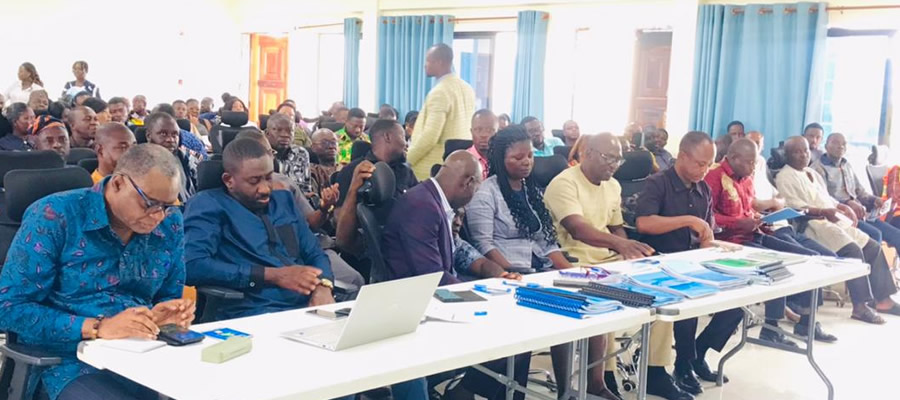
Date Created : 10/28/2025 12:00:00 AM : Story Author : Theophilus Nti-Antwi /Ghanadistricts.com
The exercise, held in line with the national budget calendar and the Public Financial Management framework brought together representatives from Ministry of Finance, Municipal and District Assemblies (MDAs), heads of departments, development partners, civil society groups and other key stakeholders to review, discuss and validate proposed programmes and estimates for the 2025 fiscal year in line with national policy directives to ensure that planned interventions for the medium-term are realistic, aligned to policy, and fiscally sustainable.
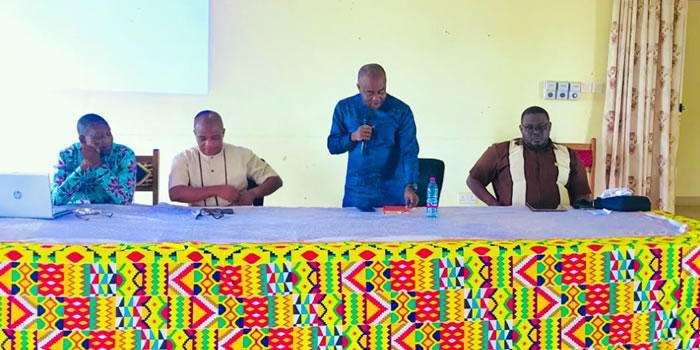
Delivering the opening address on behalf of the Ahafo Regional Minister, Charity Gardiner, the Acting Chief Director, Mr. Joseph Frimpong Naayo, welcomed all participants to the programme and highlighted the non-negotiable principles that guide all MMDAs in Composite Budget preparation. He stressed that every Assembly must strictly comply with the Public Financial Management Act, align proposed programmes to national priority areas, adopt realistic revenue projections, ensure value-for-money in expenditure planning, and demonstrate a clear link between planned activities and measurable results.
He further underscored the importance of fiscal discipline, performance-based budgeting and adherence to approved timelines, noting that deviations from these principles compromise accountability, credibility and overall regional development outcomes.
Mr. Naayo further explained that the hearing formed part of the nationally mandated preparatory activities leading to the preparation and finalization of the 2026–2029 Composite Budget.
He noted that the process is not merely a formality but a compulsory stage designed to test the credibility of the Assemblies’ submissions, ensure alignment with statutory planning guidelines, and incorporate stakeholder input before the budgets are consolidated and forwarded to the Ministry of Finance. According to him, such engagements strengthen transparency, improve coordination between central and local government structures, and help eliminate inconsistencies and unfunded mandates before the budgets are approved.
The Acting Chief Director, finally urged all stakeholders to participate fully and diligently in the exercise, stressing that the effectiveness of the medium-term budget process depends on the active involvement and cooperation of every institution represented.
Taking his turn, Alhaji Abubakar Dey Ibrahim, the Preparation of the Budget Technical Advisor to the Minister of Finance, addressed participants on the legal and policy framework governing the Composite Budget process.
He outlined the statutory provisions under the Public Financial Management Act, the Fiscal Responsibility Act, the National Development Planning Commission guidelines, and the Ministry of Finance budget circulars which collectively define the scope, sequence, compliance standards and accountability obligations for all MMDAs. He emphasized that adherence to these legal instruments is not optional but a binding requirement to ensure consistency, transparency and alignment between local budgeting and national fiscal policy.
There were detailed presentations, technical discussions and validation of the Composite Budget Highlights submitted by the various MDAs. Each assembly took turns to justify its revenue projections, priority programmes, expenditure allocations and medium-term results framework. The panel of reviewers comprising officers from the Ministry of Finance, NDPC, Local Government Service and the RCC — interrogated assumptions, requested clarifications and provided corrective guidance. The process ensured that only budgets that met the legal thresholds, policy priorities and fiscal realism standards progressed to the next stage of consolidation.
In closing, speaking on behalf of the Regional Minister, the Acting Chief Director expressed sincere appreciation to all participating Assemblies and stakeholders for their active involvement in the hearing.
He commended the technical teams for the quality of work reflected in the draft submissions and acknowledged the contributions of civil society, development partners and the private sector whose interventions, he noted, enriched the review process.
He further extended gratitude to the representatives from the Ministry of Finance and the RCC Budget Unit for providing technical guidance to ensure compliance and standardization. He concluded by urging all stakeholders to maintain the same level of commitment as the process moves into the revision, consolidation and submission stages, stressing that the success of the region’s development agenda depends on sustained collaboration and discipline beyond the hearing itself.
The 2025 Regional Composite Budget Hearing concluded with a shared call for prudent resource use, strengthened accountability and alignment of investments to the region’s long-term development aspirations.
Related News Headlines

Local Gov Ministry
Int of Local Gov Studies
Ministry of Information
Local Gov Service
Ghana MPs
Ghana Hospitals
NALAG
 facebook
 X
X
 Youtube
 instagram
 whatsapp
 +233 593 831 280
+233 20 230 9497
+233 593 831 280
+233 20 230 9497 0800 430 430
 GPS: GE-231-4383
 info@ghanadistricts.com
 Box GP1044, Accra, Ghana