- Item

GENERAL
From Shea to Baobab: Yunyoo-Nasuan District’s Vegetation Sustains Lives and Landscapes
The Yunyoo-Nasuan District is richly endowed with distinctive interior woodland savannah vegetation, forming a natural asset that continues to support livelihoods, biodiversity and environmental balance across the district.
Date Created : 2/3/2026 12:00:00 AM : Story Author : Mary Ayertey/Ghanadistricts.com
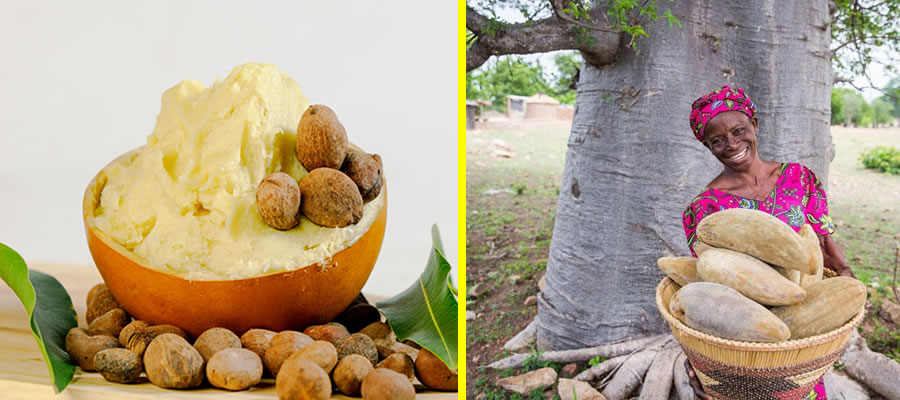
Characterised by extensive grass cover and scattered indigenous trees, the district’s vegetation features economically and culturally valuable species such as shea nut trees, baobab, dawadawa, rafia palm and acacia. These trees provide food, medicine, fuel, and income for households, while playing a crucial role in soil conservation and climate regulation.
The grass vegetation, which grows in dense tussocks and can reach heights of three metres or more, supports livestock rearing and contributes to the district’s agrarian economy. Notably, the vegetation pattern changes markedly with the two prevailing climatic seasons, influencing farming cycles, grazing patterns and land use practices.
Despite its resilience, the savannah ecosystem faces pressure from bushfires, overgrazing and climate variability, raising concerns about land degradation. Stakeholders are therefore advocating for sustainable land management and vegetation conservation measures to protect these natural resources for future generations.
With its rich savannah landscape, Yunyoo-Nasuan District stands as a reminder that protecting indigenous vegetation is key to sustaining rural livelihoods, enhancing food security and building climate resilience.

GoG Portal
Local Gov Ministry
Int of Local Gov Studies
Ministry of Information
Local Gov Service
Ghana MPs
Ghana Hospitals
NALAG
Local Gov Ministry
Int of Local Gov Studies
Ministry of Information
Local Gov Service
Ghana MPs
Ghana Hospitals
NALAG
 facebook
 X
X
 Youtube
 instagram
 whatsapp
 +233 593 831 280
+233 20 230 9497
+233 593 831 280
+233 20 230 9497 0800 430 430
 GPS: GE-231-4383
 info@ghanadistricts.com
 Box GP1044, Accra, Ghana