- Item


HEALTH
Kadjebi Health Director Urges Residents to Observe Ebola Prevention Measures
Date Created : 11/18/2026 12:00:00 AM : Story Author : Daniel Agbesi Latsu/Ghanadistricts.com
He said although Ghana had not recorded any confirmed case of Ebola, residents needed to remain vigilant and adhere to public health protocols to prevent the possible importation and spread of the disease.
Mr Takyi made the call in an educational release on Ebola s aimed at raising public awareness about the disease, its mode of transmission, symptoms and preventive measures.
He described Ebola as a rare but serious viral disease that could cause death, stressing that it was not caused by witchcraft, curses or spiritual forces, but by a virus.
He noted that the ongoing outbreak of Bundibugyo virus disease in the Democratic Republic of Congo (DRC), with cases also reported in Kenya and Nigeria, made it necessary for Ghana to strengthen its preparedness and public awareness efforts.
According to him, Ebola spreads through direct contact with the blood and other body fluids of infected persons, including those who have died from the disease, as well as contaminated materials.
He clarified that the disease was not transmitted through the air like influenza, ordinary handshakes with healthy persons or mosquito bites.
Mr Takyi said symptoms could develop between two and 21 days after infection and included sudden fever, severe headache, body weakness, muscle pain, sore throat, vomiting, diarrhoea and stomach pain.
Other symptoms, he said, could include skin rashes and bleeding from the nose, gums and other parts of the body.
He advised residents experiencing such symptoms, particularly those who had travelled to affected countries or had contact with suspected cases, to report immediately to the nearest health facility for assessment and appropriate care.
On preventive measures, he urged the public to wash their hands regularly with soap and clean water, avoid contact with the body fluids of sick persons, refrain from touching bodies suspected to have died from Ebola and avoid consuming bushmeat, particularly bats and monkeys.
He further advised residents to cook meat thoroughly before consumption and encouraged the use of condoms or abstinence where necessary following a partner's recovery from Ebola, explaining that the virus could persist in semen for some time.
The District Health Director also cautioned against concealing suspected cases or stigmatising affected persons and their families, emphasising that early reporting and community support were essential to controlling the disease.
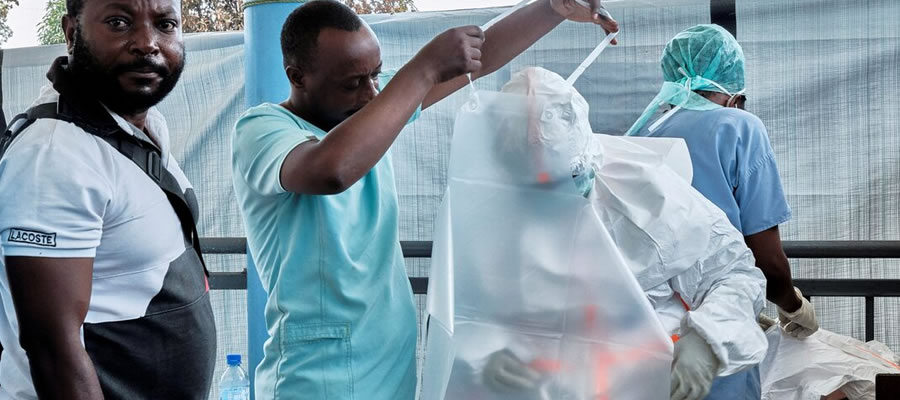
He assured residents that health workers would continue to observe infection prevention and control protocols, including the use of personal protective equipment (PPE), proper hand hygiene, safe injection practices and disinfection.
On treatment, Mr Takyi explained that although there was no single medication that cured all forms of Ebola, early supportive care, including fluid replacement and treatment of symptoms, could improve patients' chances of survival.
He added that vaccines were available for some types of Ebola, while Ghana's health system continued to strengthen surveillance, laboratory testing, preparedness and response capacity.
"My dear people, do not panic. Panic does not help. Preparation helps. Let us wash our hands, avoid bushmeat, report sickness early and support each other," he urged.
Mr Takyi said collective responsibility and strict adherence to preventive measures would help protect residents and keep the Kadjebi District safe from the disease.
Related News Headlines


Local Gov Ministry
Int of Local Gov Studies
Ministry of Information
Local Gov Service
Ghana MPs
Ghana Hospitals
NALAG
 facebook
 X
 Youtube
 instagram
 whatsapp
 +233 593 831 280
+233 20 230 9497
 0800 430 430
 GPS: GE-231-4383
 info@ghanadistricts.com
 Box GP1044, Accra, Ghana