- Item


SOCIAL
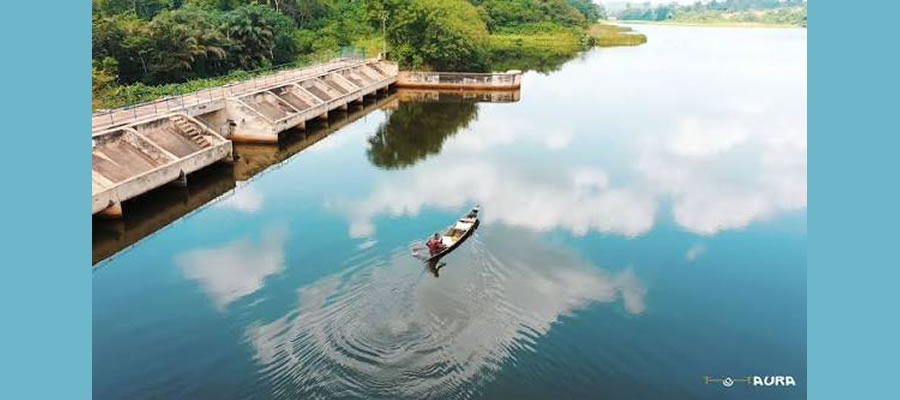
Over 50% of Barekese Dam Catchment Forest Cover Severely Degraded – GWCL
Date Created : 7/14/2025 12:00:00 AM : Story Author : Afia Obeng Yeboah/ Ghanadistricts.com
According to the GWCL, increasing human activities within the catchment area are putting considerable pressure on the ecosystem and undermining the ability of the Barekese Dam to maintain adequate water levels.
One of the major concerns identified is encroachment and farming around the catchment area. The expansion of unauthorised settlements and agricultural activities has resulted in the destruction of natural vegetation and buffer zones that help protect the reservoir from environmental damage.
The company also cited illegal logging and sand winning as major activities contributing to the degradation of the catchment. The removal of trees and vegetation, coupled with sand mining, has weakened the soil and banks surrounding the water system, leaving the area more vulnerable to erosion.
The resulting erosion has contributed to increased siltation of the reservoir, reducing both the volume and depth of water held by the Barekese Dam.
The development is a major concern because the dam serves as a critical source of potable water for Kumasi and several surrounding communities. Continued degradation of the catchment could therefore affect the reliability and sustainability of water supply to a large population.
The situation highlights the urgent need for stronger protection of the Barekese Dam catchment, including enforcement against unauthorised development, illegal logging, sand winning and other activities that threaten the water resource.
Stakeholders are being urged to intensify conservation efforts and protect the remaining forest cover to safeguard the dam and ensure a sustainable water supply for present and future generations.
Related News Headlines




Local Gov Ministry
Int of Local Gov Studies
Ministry of Information
Local Gov Service
Ghana MPs
Ghana Hospitals
NALAG
 facebook
 X
X
 Youtube
 instagram
 whatsapp
 +233 593 831 280
+233 20 230 9497
+233 593 831 280
+233 20 230 9497 0800 430 430
 GPS: GE-231-4383
 info@ghanadistricts.com
 Box GP1044, Accra, Ghana