- Item


GENERAL
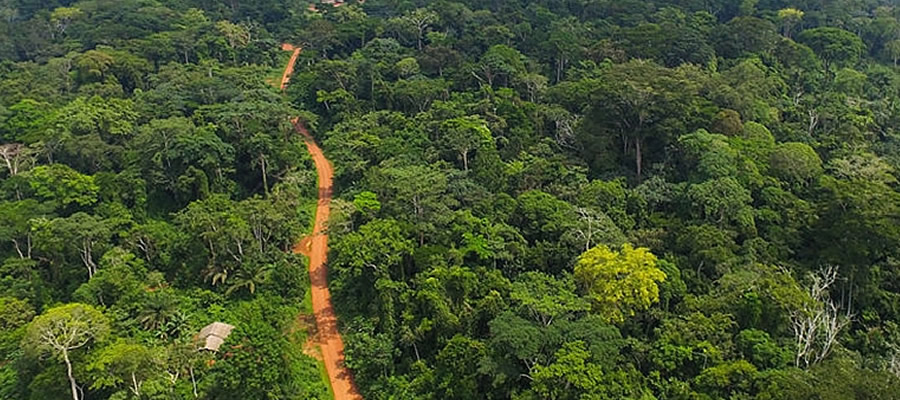
Ayawaso West Municipal Assembly’s Green to Gray Transition: Dense Forest Replaced by Development
Date Created : 11/19/2025 12:00:00 AM : Story Author : Ghanadistricts.com
Over the past century, the area that was once largely cloaked in dense forest has given way to an open, urbanizing matrix where remnants of the original canopy persist in pockets rather than across the landscape. This evolution has left a landscape increasingly characteristic of the southern savanna, with scattered trees and open spaces replacing the dense vegetation that once dominated the region. The change is not merely aesthetic; it reflects shifts in biodiversity, microclimates, soil health, and the city’s capacity to manage heat, water, and air quality.
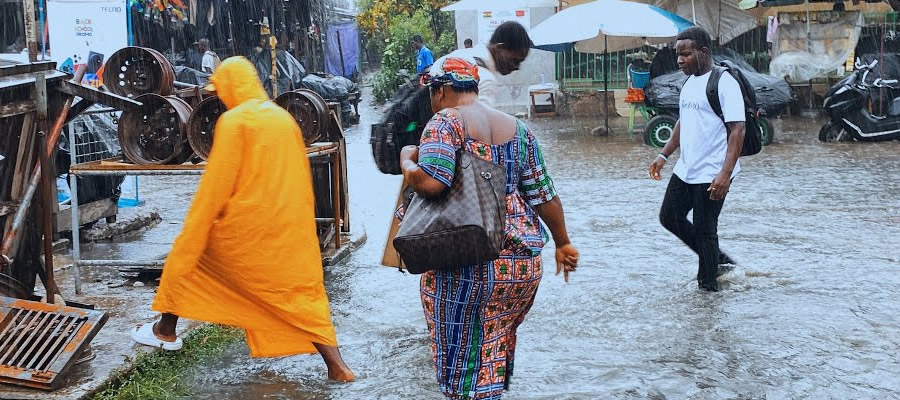
Ecological implications are wide-ranging. Forest cover historically provided a protective layer for soils, reduced erosion, and moderated local temperatures through shade and evapotranspiration. Its decline can intensify soil exposure to rainfall, alter run-off patterns, and reduce habitat for urban wildlife. In parallel, changes in vegetation structure influence drainage and flood risk. Fewer trees and a more open canopy can increase surface water velocity during storms, while certain tree species once present may no longer be viable in the altered microclimate. For residents, these ecological shifts translate into tangible experiences—from hotter streets in the dry season to altered air quality and changes in the look and feel of public parks and streetscapes.
Urban planners and environmental stakeholders are emphasizing a proactive approach to vegetation management. Central to this strategy is the expansion of tree-planting programs designed to rebuild green cover in public spaces, along streets, and within new developments. Protecting and connecting green corridors can help preserve biodiversity, sustain ecological services, and improve resilience to heat waves and flood events. Sustainable land-management practices, including responsible redevelopment that prioritizes permeable surfaces, native species, and soil conservation, are highlighted as essential pillars of AWMA’s long-term planning.
Community engagement and education are identified as critical drivers of success. Public awareness campaigns can illuminate the functional value of urban trees—such as stormwater interception, shade provision, carbon sequestration, and aesthetic and recreational benefits. By fostering a shared understanding of the benefits of green spaces, AWMA can cultivate community stewardship and broad-based support for green infrastructure investments.
Looking ahead, several concrete actions could guide AWMA toward a more resilient, greener future. These include conducting regular urban vegetation audits to map canopy cover, species diversity, and ecosystem services; implementing policies that require green space retention in new developments; and creating incentives for private landowners to maintain and enhance trees and other vegetation on their properties. Integrating urban greening goals with climate adaptation and public health objectives can further strengthen the municipality’s ability to weather environmental and social changes.
Finally, a balanced vision of growth and greenery will demand collaboration among government agencies, civil society, businesses, and residents. By aligning development with a clear commitment to ecological health and livability, AWMA can safeguard biodiversity, improve quality of life, and ensure that future generations inherit a landscape that is not only functional and resilient but also vibrant and welcoming.


Local Gov Ministry
Int of Local Gov Studies
Ministry of Information
Local Gov Service
Ghana MPs
Ghana Hospitals
NALAG
 facebook
 X
X
 Youtube
 instagram
 whatsapp
 +233 593 831 280
+233 20 230 9497
+233 593 831 280
+233 20 230 9497 0800 430 430
 GPS: GE-231-4383
 info@ghanadistricts.com
 Box GP1044, Accra, Ghana